Low-Maintenance Pets for Busy People: A Vet’s Honest Guide
As a veterinarian, I hear this from busy professionals all the time: “I’d love a pet, but I work long hours and travel. Is there any pet that won’t make me feel guilty?”
Here’s the truth most people don’t hear: there’s no such thing as a zero-maintenance pet. Every animal needs food, water, care, and attention. But some pets are far more forgiving of a busy schedule than others — and choosing the right one can mean the difference between a joyful companion and a constant source of stress.
So before you bring any animal home, let’s talk about what “low-maintenance” really means, which pets are the best fit for busy people, and the honest truth about each one.
What “Low-Maintenance” Really Means
First, let’s set realistic expectations. “Low-maintenance” doesn’t mean “no care at all” — it means less daily commitment, more independence, and more flexibility. Here’s what actually matters:
1. Independence. Some pets are fine being alone for 8-10 hours while you work. Others develop separation anxiety and can’t be left alone at all.
2. Feeding flexibility. Some pets need multiple meals a day at set times. Others can be fed once a day or even every few days.
3. Exercise needs. Some pets need daily walks and play. Others are content with minimal exercise.
4. Grooming and cleanup. Some pets need daily grooming, frequent vet visits, and constant cleanup. Others are remarkably low-effort.
The key is matching the pet to your actual schedule — not your ideal schedule. Be honest with yourself about how much time you really have.
The 5 Best Low-Maintenance Pets for Busy People
1. Cat — The Independent Companion
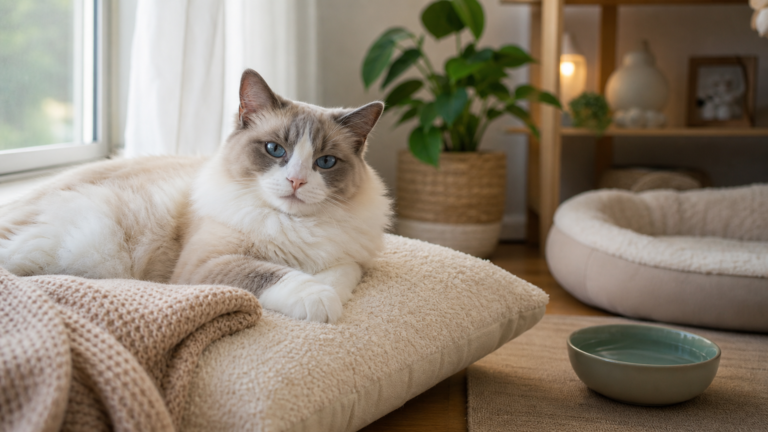
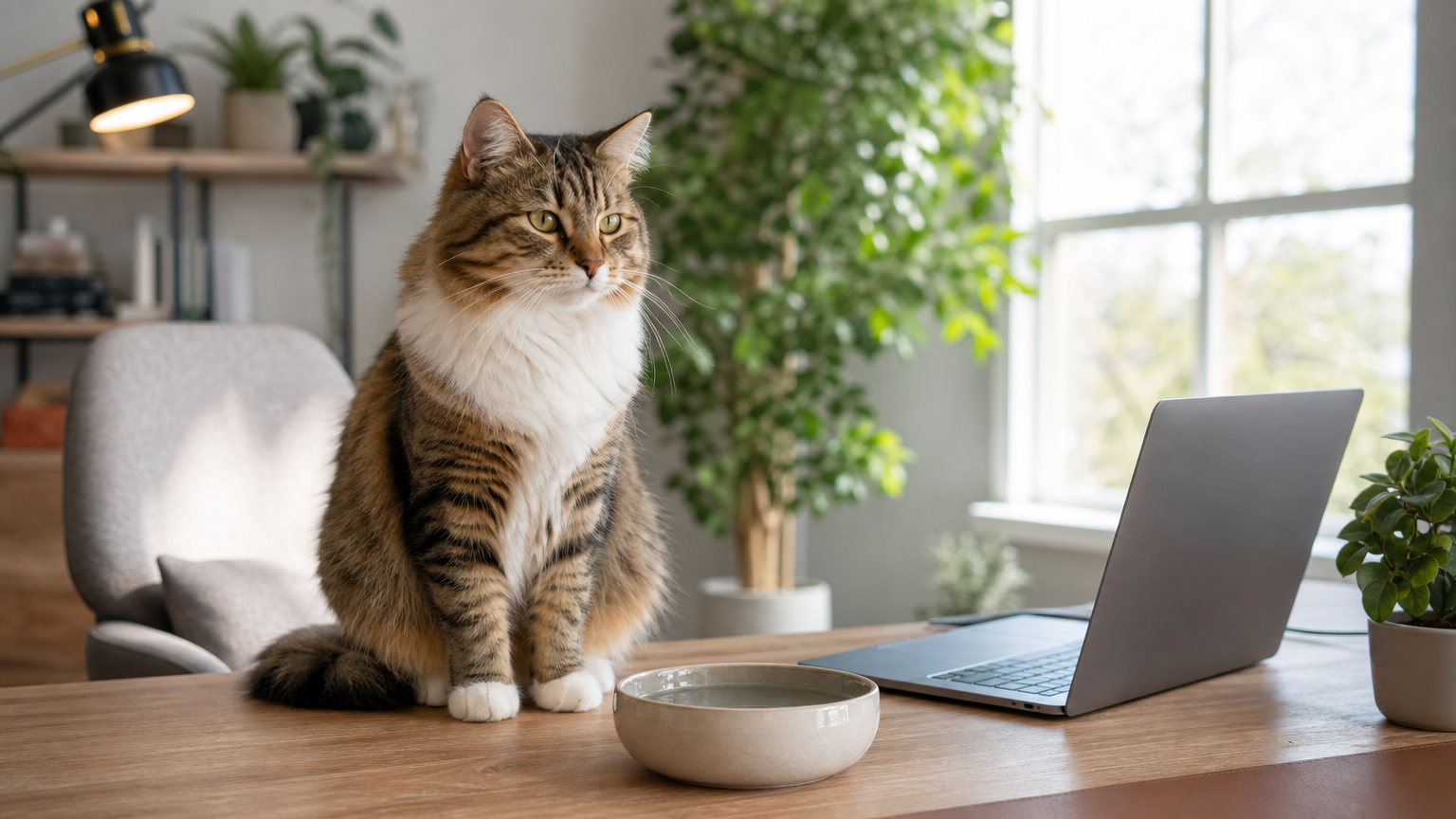
The cat is arguably the most popular low-maintenance pet for busy people — and for good reason. Cats are famously independent and don’t need daily walks or constant attention.
Why they’re great for busy people: Cats are self-sufficient. They use a litter box, eat on their own schedule, and are happy to entertain themselves while you’re at work. They’re affectionate on their own terms — perfect for someone who wants companionship without constant demands.
The honest truth: Cats aren’t zero-maintenance. They need daily fresh water, regular litter box cleaning, and veterinary care. Some breeds are more independent than others (a British Shorthair is more self-sufficient than a Ragdoll). They also live 15-20 years, so it’s a long-term commitment.
2. Betta Fish — The Beautiful Low-Effort Aquarium Pet
The Betta fish (also called the Siamese fighting fish) is one of the most beautiful and low-maintenance pets you can own. Their stunning colors and flowing fins make them a joy to watch.
Why they’re great for busy people: Bettas are remarkably low-effort. They need a small tank, regular feeding (once a day), and occasional water changes. They don’t need walks, grooming, or daily interaction. They’re perfect for someone who wants a beautiful pet without the time commitment.
The honest truth: Bettas still need proper care — a heated, filtered tank (not a tiny bowl), regular water changes, and a varied diet. They live 3-5 years. They’re not “decorations” — they’re living animals that need a proper environment.
3. Leopard Gecko — The Low-Maintenance Reptile
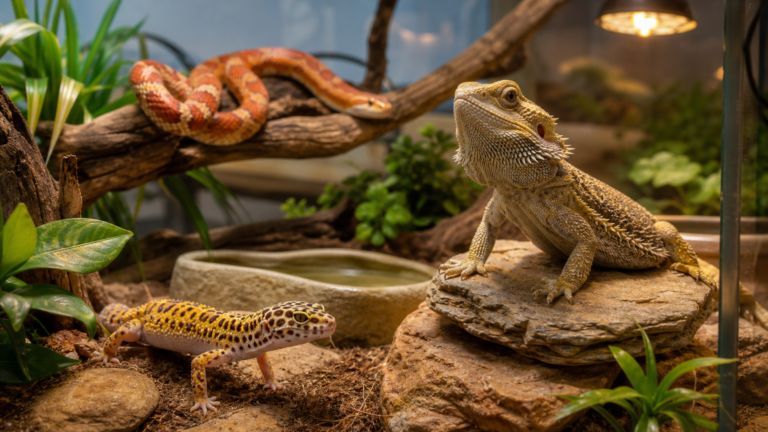
The leopard gecko is one of the easiest reptiles to care for — and a fantastic choice for busy people who want something unique.
Why they’re great for busy people: Leopard geckos are nocturnal and low-energy. They eat every 2-3 days (not daily), don’t need daily walks, and are content in a well-set-up tank. They’re quiet, clean, and remarkably self-sufficient once their habitat is right.
The honest truth: Leopard geckos need a properly set-up tank with heating, lighting, and hides. They eat live insects, which some people find off-putting. They live 15-20 years, so it’s a serious long-term commitment. But the daily effort is genuinely minimal.
The guinea pig is a popular small pet — but I want to be honest: they’re not as low-maintenance as many people think. Still, they can work for busy people with the right setup.
Why they can work for busy people: Guinea pigs don’t need walks and are content in a well-set-up cage. They’re social and affectionate when you’re home, and they’re active during the day. With an automatic water bottle and a good feeding routine, daily care is manageable.
The honest truth: Guinea pigs need daily fresh hay, vegetables, and water — they can’t be left for days. They’re social and do best in pairs (which means double the care). They need regular cage cleaning. They live 5-7 years. They’re a good choice for busy people who can commit to a daily routine, but not for those who travel frequently.
5. Hamster — The Nocturnal Low-Maintenance Pet
The hamster is a classic low-maintenance pet — nocturnal, independent, and content in a well-set-up cage.
Why they’re great for busy people: Hamsters are nocturnal, so they’re active at night when you’re home (or asleep). They don’t need daily walks, grooming, or interaction. They’re content in a properly set-up cage with food, water, and bedding. They’re perfect for someone who wants a small, independent companion.
The honest truth: Hamsters are nocturnal, which means they sleep during the day — so they’re not great for kids who want to play with them during the day. They need regular cage cleaning and can be fragile. They live only 2-3 years. They’re also solitary — they should be housed alone.
Pets to Avoid if You’re Busy (And Why)
Just as important as knowing what works is knowing what doesn’t. These pets typically struggle with busy owners:
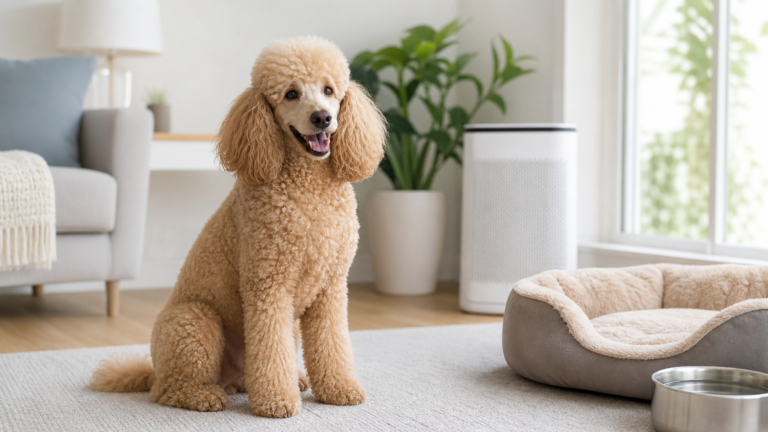
- Dogs (especially high-energy breeds) — need daily walks, exercise, and social interaction; many develop separation anxiety.
- Parrots and large birds — highly social, need daily interaction, and can develop behavioral problems if neglected.
- Ferrets — high-energy, need several hours of supervised play daily, and have a strong odor.
- Rabbits — need daily exercise, fresh hay, and social interaction; they’re more work than most people expect.
This doesn’t mean these are “bad” pets — they’re wonderful in the right home. But if you’re genuinely busy, a low-maintenance pet is a much more responsible choice.
How to Set Your Low-Maintenance Pet Up for Success
Choosing the right pet is step one. Here’s how to make it work with a busy schedule:
- Automate what you can. Automatic feeders, water fountains, and timers can handle routine tasks while you’re away.
- Set a simple daily routine. Even low-maintenance pets need consistency — a few minutes each day for feeding, water, and a quick check.
- Plan for travel. Arrange a pet sitter or boarding well in advance if you travel. Never leave a pet alone for days.
- Keep the habitat simple. A well-set-up habitat (right size, heating, bedding) reduces daily effort dramatically.
The Bottom Line
You absolutely can have a pet even with a busy schedule — if you choose the right one. A cat, Betta fish, or leopard gecko can bring joy to your life without demanding hours of daily care.
But remember the honest truth: every pet needs care. There’s no such thing as zero-maintenance. Choose a pet that matches your real schedule, set up its environment properly, and you’ll both be happy.