The Best First Pet for Kids: Breeds That Are Safe and Patient
As a veterinarian, I get this question from parents all the time: “What’s the best first pet for my child?” And my answer always starts the same way: the best first pet isn’t the cutest one — it’s the one that’s safe, patient, and matches your family’s lifestyle.
Here’s the truth most people don’t hear: the wrong first pet can be a disaster for both the child and the animal. A nervous, high-strung pet may bite or scratch when a child gets too excited. A fragile pet can be accidentally hurt by a well-meaning toddler. And a high-energy pet can overwhelm a young child.
But the right first pet? It can teach your child responsibility, empathy, and unconditional love — lessons that last a lifetime.
So before you bring any animal home, let’s talk about what actually makes a pet safe and patient for kids — and which breeds are the best choices.
What Actually Makes a Good First Pet for Kids
Forget the “any pet is fine for kids” idea. Here’s what really matters:
1. Temperament. The most important factor. Look for breeds known for being gentle, patient, and tolerant — especially with unpredictable children who may pull, hug, or grab.
2. Size and strength. A pet that’s too small can be fragile and easily hurt. A pet that’s too large and energetic can accidentally knock a child down. The sweet spot is a sturdy, medium-sized animal.
3. Energy level. A calm, low-energy pet is easier for a child to handle and less likely to get overstimulated. High-energy pets can become reactive when a child is too much for them.
4. Trainability and predictability. A pet that’s easy to train and predictable in behavior is safer and more rewarding for a child’s first experience.
The 5 Best First Pets for Kids
1. Golden Retriever — The Classic Family Dog
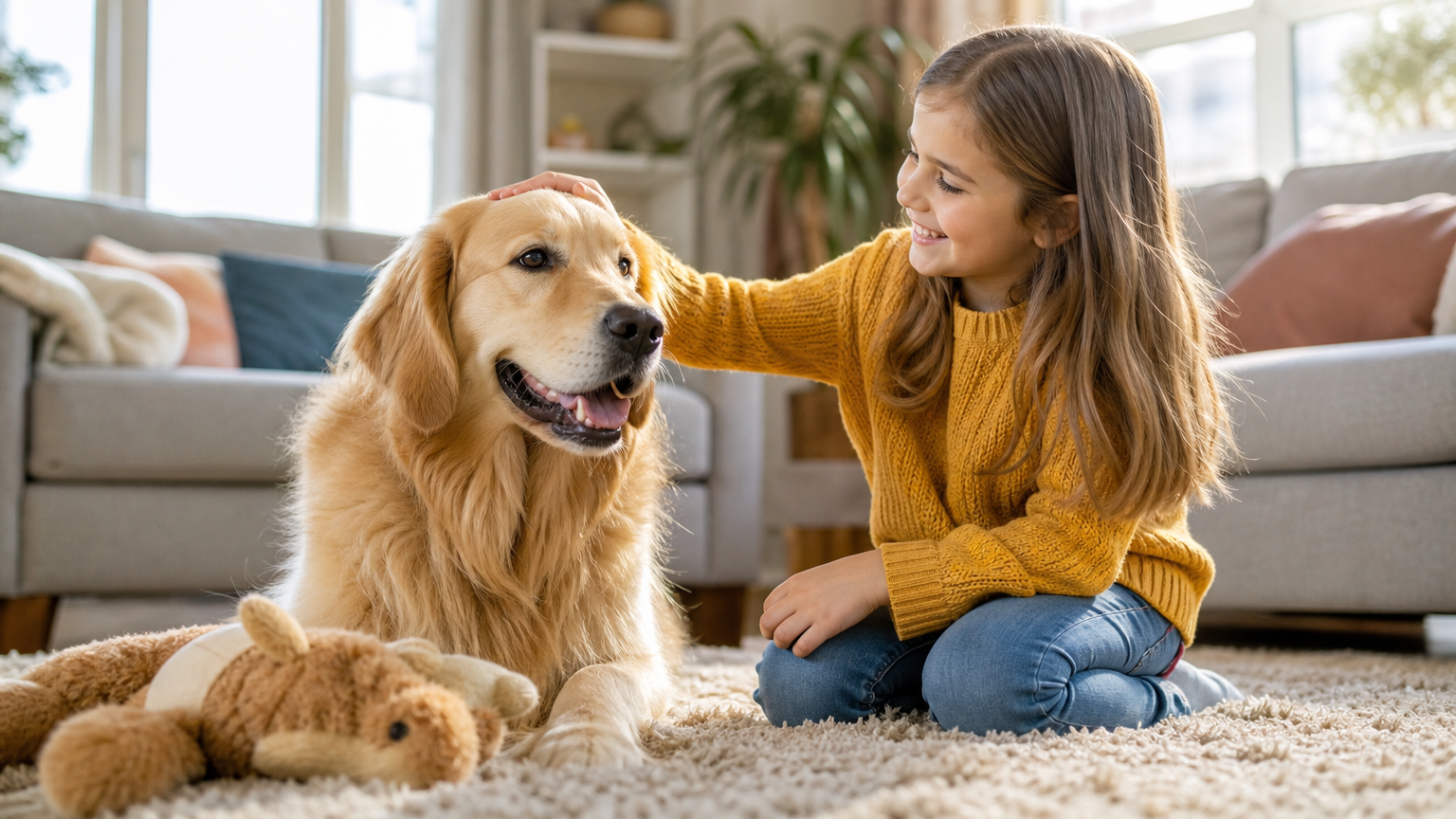
The Golden Retriever is arguably the most famous family dog in the world — and for good reason. They’re gentle, patient, and famously good with children.
Why they’re great for kids: Goldens are affectionate, tolerant, and rarely aggressive. They have a natural instinct to be gentle with children and are patient even when kids are a little rough. They’re also highly trainable, which makes them a wonderful first dog.
The honest truth: Golden Retrievers are high-energy and need daily exercise — they’re not couch potatoes. They also shed a lot and can be prone to certain health conditions (hip dysplasia, cancer). They’re a big commitment, but an incredibly rewarding one.
2. Labrador Retriever — The Energetic Family Favorite
The Labrador Retriever is America’s most popular dog breed — and a fantastic first pet for active families. They’re friendly, outgoing, and wonderful with children.
Why they’re great for kids: Labs are patient, affectionate, and have a famously gentle mouth. They’re great with kids of all ages and love being part of family life. Their playful, tolerant nature makes them ideal companions.
The honest truth: Labs are very high-energy, especially when young. They need lots of exercise and can be destructive if bored. They also love food and can be prone to obesity. They’re best for active families who can keep up with them.
3. Cavalier King Charles Spaniel — The Gentle Lap Dog
The Cavalier King Charles Spaniel is a small, gentle breed that’s perfect for families with children — especially younger kids. They’re famously affectionate and patient.
Why they’re great for kids: Cavaliers are calm, gentle, and love being around people. They’re small enough to be manageable but sturdy enough to handle gentle play. Their sweet, patient nature makes them wonderful companions for children.
The honest truth: Cavaliers are prone to heart conditions and can develop separation anxiety since they bond so closely. They also need regular grooming. They’re best for families who are home often and can give them attention.
4. Guinea Pig — The Perfect Small Pet
If you’re not ready for a dog, the guinea pig is arguably the best small pet for kids. They’re gentle, social, and easier to handle than most small animals.
Why they’re great for kids: Guinea pigs are docile, rarely bite, and are active during the day (when kids are awake). They’re social animals that enjoy interaction and are sturdy enough for gentle handling. They also teach responsibility without the commitment of a dog.
The honest truth: Guinea pigs need daily care — fresh hay, vegetables, and a clean cage. They’re social and do best in pairs. They also need a safe, supervised handling area, as they can be injured if dropped. They live 5–7 years, which is a real but manageable commitment.
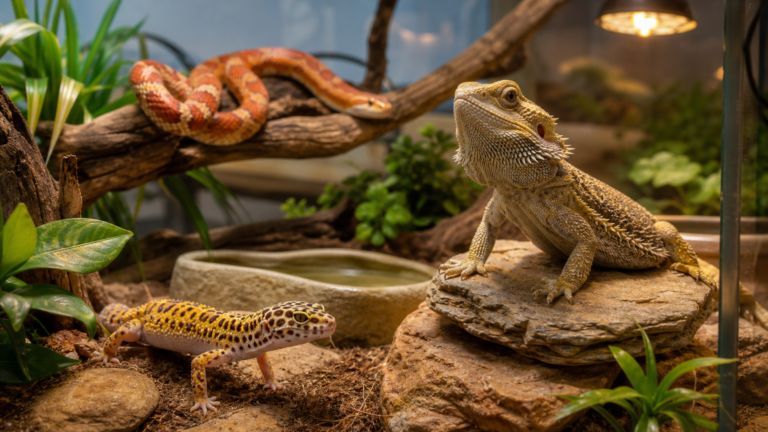
5. Bearded Dragon — The Calm Reptile Companion
For families who want something different, the bearded dragon is a fantastic first reptile for kids. They’re calm, handleable, and famously docile.
Why they’re great for kids: Bearded dragons are gentle, rarely bite, and are active during the day. They’re sturdy enough for supervised handling and their calm nature makes them less intimidating than other reptiles. They’re also fascinating to watch and teach kids about responsibility.
The honest truth: Bearded dragons need a large enclosure with proper heating and UVB lighting — this is non-negotiable. They eat live insects and vegetables. They’re a bigger setup commitment than a guinea pig, but a rewarding one for older kids (8+).
Pets to Avoid as a First Pet for Kids (And Why)
Just as important as knowing what works is knowing what doesn’t. These pets typically struggle as first pets for kids:
- Hamsters — nocturnal (awake at night), fragile, and prone to biting when startled or woken up.
- Chinchillas — fragile and easily stressed by loud, unpredictable children.
- High-energy herding dogs (Border Collies, Australian Shepherds) — need intense exercise and can become reactive with children.
- Small, fragile reptiles (like chameleons) — easily stressed and not suited to handling.
This doesn’t mean these are “bad” pets — they’re wonderful in the right home. But for a child’s first experience, a gentle, sturdy, predictable pet is the safer choice.
How to Set Your Child and Pet Up for Success
Choosing the right pet is step one. Here’s how to make it work for both your child and the animal:
- Supervise all interactions. Never leave a young child alone with any pet — even a gentle one. Teach your child how to approach, touch, and handle the pet safely.
- Teach gentle handling. Show your child how to pet softly, respect the animal’s space, and recognize signs of stress (like a dog’s tail between legs or a guinea pig’s teeth chattering).
- Make it a family responsibility. A child can help feed and care for the pet, but the ultimate responsibility should always be with the adults.
- Start with a routine. Pets thrive on predictability — set consistent times for feeding, play, and care.
The Bottom Line
The best first pet for your child isn’t the cutest one — it’s the one that’s safe, patient, and matches your family’s lifestyle. A gentle Golden Retriever, a calm Cavalier, or a docile guinea pig can teach your child responsibility, empathy, and love.
Choose the right pet, supervise carefully, and you’ll give your child a first pet experience they’ll remember forever.