Which Dog Breed Is Right for My Apartment? A Vet’s Honest Guide
As a veterinarian, I hear this question constantly: “I live in an apartment — can I really have a dog?” The short answer is yes. The longer answer is: it depends entirely on the breed you choose.
Here’s the truth most people don’t hear: the problem isn’t the apartment — it’s the breed. A high-energy herding dog will destroy your sofa no matter how big your living room is. A calm, low-energy breed can thrive in a studio. Size matters less than you think; energy level, temperament, and exercise needs matter far more.
So before you fall in love with a photo, let’s talk about what actually makes a dog happy in an apartment — and which breeds are the best fit.
What Actually Matters in an Apartment Dog
Forget the “small dog = apartment dog” myth. Here’s what really counts:
1. Energy level. A dog that needs 2 hours of intense exercise a day will be miserable (and destructive) in any apartment. Look for breeds that are content with a daily walk plus some play.
2. Barking tendency. In an apartment, you share walls with neighbors. A breed prone to excessive barking can cause real problems — for you and for them.
3. Independence vs. clinginess. Some breeds are fine being alone while you’re at work. Others develop separation anxiety and howl all day. This matters more in an apartment, where neighbors hear everything.
4. Size and strength. A large dog in a small space isn’t automatically a problem — but it needs more room to move, and apartment hallways and elevators get complicated.
The 5 Best Dog Breeds for Apartments
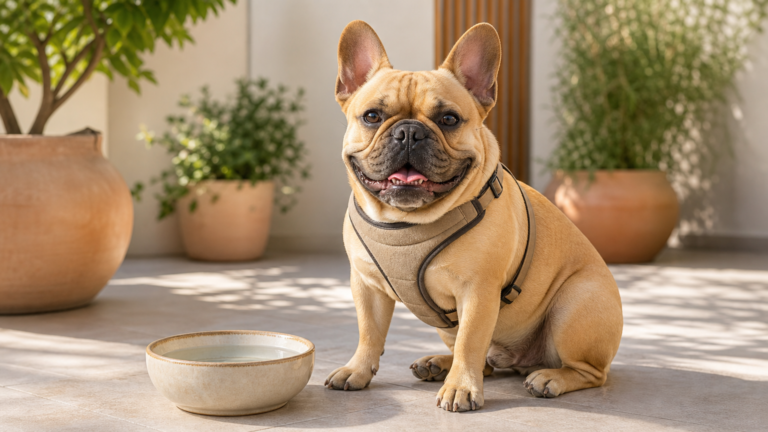
1. French Bulldog — The Apartment Classic
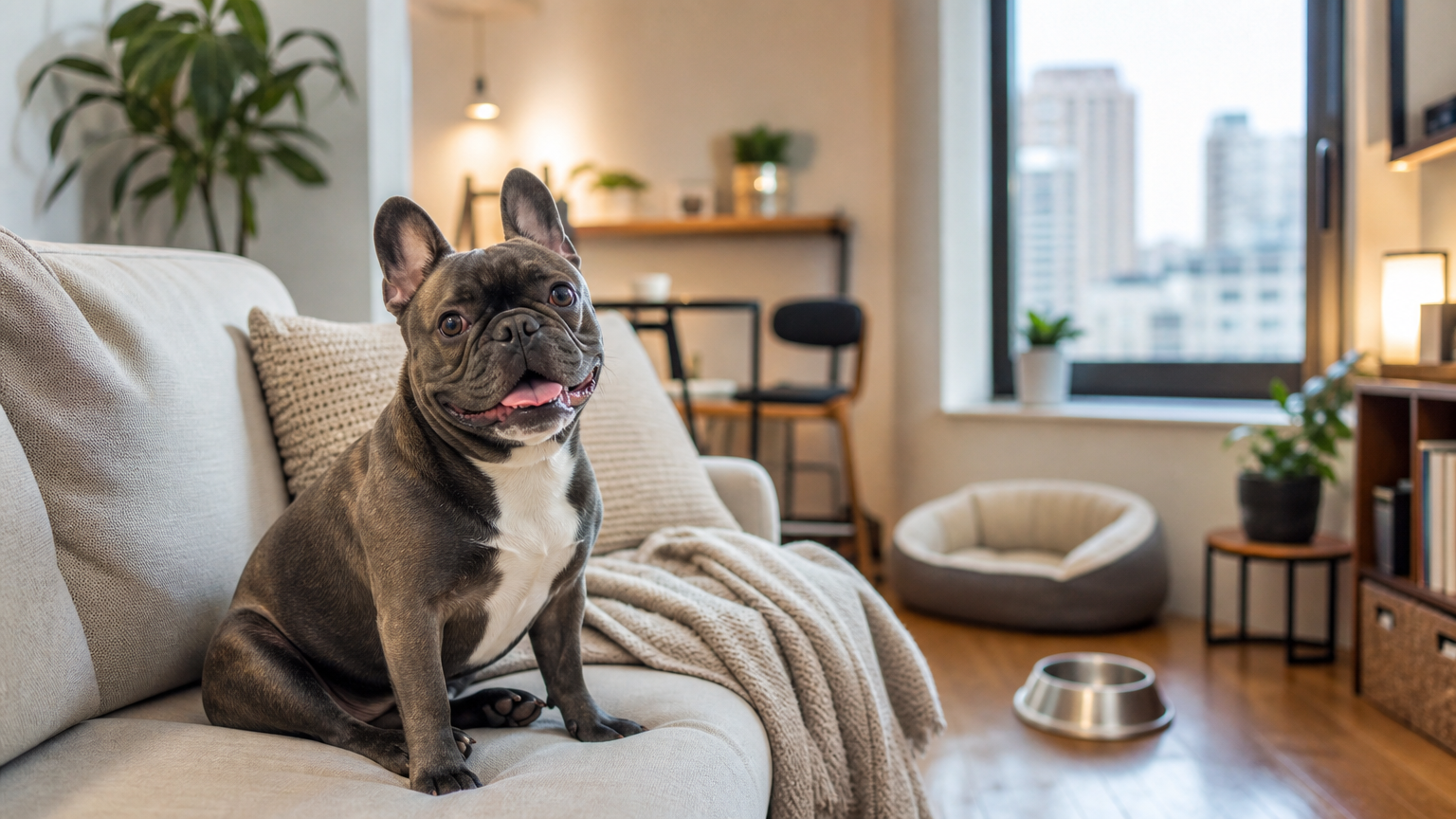
The French Bulldog is arguably the most apartment-friendly dog in the world. They’re small, quiet, and have remarkably low exercise needs — a short daily walk and some indoor play is plenty.
Why they’re great for apartments: Frenchies are calm, affectionate, and rarely bark excessively. They’re content to nap on the couch while you work, and they adapt beautifully to small spaces.
The honest truth: French Bulldogs are brachycephalic (flat-faced), which means they can have breathing issues, especially in heat. They’re also prone to certain health conditions, so choose a responsible breeder and budget for potential vet care.
2. Cavalier King Charles Spaniel — The Gentle Companion
The Cavalier King Charles Spaniel is a small, gentle, affectionate breed that’s perfect for apartments. They’re famously friendly, good with people and other pets, and adapt well to any living situation.
Why they’re great for apartments: Cavaliers are quiet, low-energy, and happiest when they’re near their humans. They don’t need a yard — they’re content with walks and cuddle time. Their gentle nature makes them wonderful for first-time owners.
The honest truth: Cavaliers are prone to heart conditions (mitral valve disease) and can be prone to separation anxiety since they bond so closely. They also need regular grooming.
3. Greyhound — The Surprising Apartment Favorite
Here’s the myth-buster of the list: Greyhounds — despite being racing dogs — are actually one of the best apartment breeds. They’re famously lazy indoors and content to sleep up to 18 hours a day.
Why they’re great for apartments: Contrary to popular belief, Greyhounds are calm, quiet, and low-energy indoors. They need a short daily sprint or walk, then they’re happy to be couch potatoes. They rarely bark and are gentle, sweet-natured dogs.
The honest truth: Greyhounds are large, so they need enough space to stretch out. They also have a strong prey drive (they may chase small animals) and need a securely fenced area for off-leash time. But in terms of temperament, they’re apartment gold.
4. Bichon Frise — The Allergy-Friendly Choice
The Bichon Frise is a small, cheerful, hypoallergenic breed that’s wonderful for apartments — especially if someone in your home has allergies.
Why they’re great for apartments: Bichons are small, quiet, and have a low-shedding coat that’s gentler on allergies. They’re playful but not hyperactive, and they’re content with moderate exercise. Their cheerful, affectionate nature makes them delightful companions.
The honest truth: “Hypoallergenic” doesn’t mean zero allergens — it means less shedding and dander. Bichons also need regular professional grooming to keep their coat healthy and mat-free.
5. Shih Tzu — The Low-Energy Lap Dog
The Shih Tzu is a small, gentle breed bred for one purpose: companionship. They’re calm, affectionate, and perfectly content with a cozy apartment life.
Why they’re great for apartments: Shih Tzus are low-energy, quiet, and don’t need much exercise — a short daily walk is plenty. They’re happiest curled up next to you, making them ideal for apartment dwellers who want a devoted companion.
The honest truth: Shih Tzus have long coats that need regular grooming, and they can be prone to eye and breathing issues due to their flat faces. They also bond closely and may not do well with long periods alone.
Breeds to Avoid in an Apartment (And Why)
Just as important as knowing what works is knowing what doesn’t. These breeds typically struggle in apartments:
- Border Collies and Australian Shepherds — bred to work all day; they need intense exercise and mental stimulation or they become destructive.
- Huskies and Malamutes — high energy, escape artists, and famously vocal (they howl).
- Beagles — wonderful dogs, but they bark and howl a lot, which neighbors won’t love.
- Dalmatians — high energy and need lots of space to run.
This doesn’t mean these are “bad” dogs — they’re wonderful in the right home. But in an apartment, both you and the dog will be happier with a breed that matches the space.
How to Set Your Apartment Dog Up for Success
Choosing the right breed is step one. Here’s how to make the apartment work for both of you:
- Create a routine. Dogs thrive on predictability — set consistent times for walks, meals, and play.
- Invest in exercise. A tired dog is a happy dog. Daily walks plus mental stimulation (puzzle toys) prevent boredom and destruction.
- Manage the noise. If your dog barks at sounds in the hallway, work on training and provide a calm space.
- Consider a dog walker or daycare if you’re away long hours — especially for breeds prone to separation anxiety.
The Bottom Line
You absolutely can have a happy dog in an apartment — if you choose the right breed. Focus on energy level, barking tendency, and independence, not just size. A calm French Bulldog or Greyhound will be far happier in your studio than a high-energy Border Collie.
Match the dog to your lifestyle, and you’ll both thrive — no matter how many square feet you have.