Best Dog Food for Senior Dogs: A Veterinarian’s Complete Guide to Aging Nutrition
As a veterinarian, I explain how to choose the best dog food for senior dogs — protein, joints, weight, and organ health — plus when your dog actually becomes a “senior.”
As a veterinarian, one of the most common questions I hear from owners of older dogs is: “What should I feed my senior dog now?”
And here’s the honest, sometimes surprising answer: there is no single “best” senior dog food — because there is no single “senior dog.”
Every dog ages differently. A 7-year-old Great Dane is a senior; a 7-year-old Chihuahua is barely middle-aged. A senior dog with arthritis has different needs than one with kidney disease, which has different needs than one that’s simply slowing down.
The biggest mistake I see? Owners switching their dog to a “senior formula” just because of age — when their dog’s actual health needs point in a completely different direction.
In this guide, I’ll help you understand when your dog becomes a senior, what nutrients matter most, and how to choose the right food based on your dog’s specific health situation — not just their age.
🟢 When Is a Dog Considered “Senior”?
There’s no universal age, but here’s a general guide based on size:

🔑 Key insight: Larger dogs age faster. A Great Dane is a senior at 6–7; a Chihuahua may not be a senior until 11–12.
🟡 How Senior Dogs’ Nutritional Needs Change
As dogs age, several things happen that affect their nutritional needs:

⚠️ Important myth: Many owners believe senior dogs need less protein. In reality, most healthy senior dogs benefit from moderate-to-high quality protein to preserve muscle mass and support immune health. The old “low protein for seniors” advice applies mainly to dogs with kidney disease — not all seniors.
🔴 The Key Nutrients for Senior Dogs
1. High-Quality Protein
- Why: Preserves muscle mass, supports immune function, aids tissue repair
- Best sources: Chicken, turkey, fish, eggs, lean beef
- Look for: Named animal proteins (not vague “meat byproducts”)
2. Omega-3 Fatty Acids (EPA & DHA)
- Why: Reduces inflammation, supports joint health, cognitive function, and skin/coat
- Best sources: Fish oil, salmon, flaxseed
- Look for: Specified amounts of EPA and DHA
3. Glucosamine and Chondroitin
- Why: Building blocks of cartilage; support joint health
- Evidence: Reasonable addition for arthritis; weight management and omega-3s have stronger evidence
4. Antioxidants
- Why: Support immune system, cognitive function, and cellular health
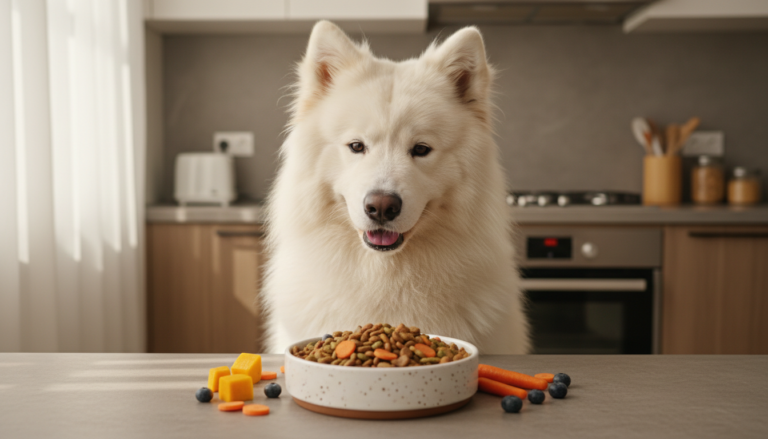
- Best sources: Blueberries, spinach, carrots, vitamin E, vitamin C
5. Controlled Calories
- Why: Senior dogs need up to 25% fewer calories; obesity worsens arthritis and organ disease
- Look for: Lower calorie density, or feed less of a regular food
6. Digestible Ingredients
- Why: Aging digestive systems absorb nutrients less efficiently
- Look for: High-quality, highly digestible protein and carbohydrate sources
🟠 How to Choose the Right Senior Food (Step by Step)
Step 1: Assess Your Dog’s Health First
Before choosing a food, have your veterinarian evaluate your dog — including blood work. This reveals hidden issues (kidney disease, thyroid, diabetes) that should drive your food choice.
Step 2: Match the Food to the Health Condition

Step 3: Choose a Reputable Brand
Look for brands that:
- Meet AAFCO standards for “maintenance” or “all life stages”
- Follow WSAVA global nutrition guidelines
- Employ veterinary nutritionists
- Conduct feeding trials
Step 4: Consider Food Form
- Kibble: Convenient, helps clean teeth, but harder for dental problems
- Canned/wet: Higher moisture, easier to chew, good for kidney disease and picky eaters
- Fresh/frozen: Highly palatable, high moisture, more expensive
- Soaked kibble: A simple way to make dry food easier for seniors with dental issues
🟡 Top Vet-Recommended Senior Dog Foods (2026)
These brands are consistently recommended by veterinarians for senior dogs:

🔵 Feeding Tips for Senior Dogs
1. Transition Slowly
Switch foods gradually over 7–10 days to avoid digestive upset.
2. Feed Smaller, More Frequent Meals
Senior dogs digest better with 2–3 smaller meals rather than one large one.
3. Monitor Weight Closely
Weigh your senior dog monthly. Weight gain is common as metabolism slows — and it worsens arthritis and organ disease.
4. Make Eating Easier
- Elevate the bowl if your dog has arthritis (reduces neck strain)
- Soften kibble with warm water or broth if teeth are weak
- Use a slow feeder if your dog eats too fast
5. Provide Fresh Water Always
Senior dogs are more prone to dehydration, especially with kidney issues. Consider a water fountain to encourage drinking.
🟣 When to See Your Veterinarian
Schedule a checkup if your senior dog:
- Loses weight without trying (could indicate disease)
- Gains weight despite normal feeding
- Drinks or urinates more than usual (kidney, diabetes, thyroid)
- Refuses food for more than 24 hours
- Vomits or has diarrhea after eating
- Shows signs of pain when eating (dental disease)
- Has bad breath, drooling, or difficulty chewing
❓ Frequently Asked Questions
Do senior dogs need less protein? No — this is a common myth. Most healthy senior dogs benefit from moderate-to-high quality protein to preserve muscle mass and support immune health. Low protein is only recommended for dogs with kidney disease.
When should I switch my dog to senior food? Switch based on health needs, not just age. If your dog is healthy and maintaining weight well on their current food, there may be no urgent need to switch. Discuss with your veterinarian.
Should I give my senior dog supplements? Some seniors benefit from omega-3 supplements and joint support. But supplements should complement — not replace — a good diet. Always check with your vet before adding supplements, especially if your dog has health conditions.
My senior dog is losing weight. What should I do? Unexplained weight loss in a senior dog is a red flag that warrants a veterinary visit. It can indicate dental disease, kidney disease, diabetes, cancer, or other conditions. Don’t just feed more — find the cause.
Is wet food better for senior dogs? Wet food has higher moisture, which helps with hydration and is easier to chew. It’s especially beneficial for dogs with kidney disease or dental problems. However, it’s more expensive and doesn’t help clean teeth. Many owners use a combination.
Final Thoughts
As a veterinarian, my strongest advice for senior dog nutrition is this: don’t feed the age — feed the dog.
Your senior dog’s food should be chosen based on their specific health needs, not just their birthday. Work with your veterinarian to identify those needs through regular exams and blood work, then choose a food that addresses them.
The right nutrition can add years of quality to your senior dog’s life — and help them stay comfortable, active, and happy well into their golden years.