Gut Health in Dogs: 7 Signs of an Unbalanced Gut
Your dog’s digestion has been “off” for a few days — loose stools, gas, a bloated belly — but you’re not sure if it’s temporary or a warning sign. That doubt is more common than you think, and the answer lies in a concept that has gained traction in veterinary medicine: gut health in dogs.
A dog’s intestine houses trillions of bacteria that form the microbiome — a community involved in digestion, nutrient absorption, and even immune defense. When that balance breaks down, gut dysbiosis occurs, and the effects go far beyond the litter box or backyard: skin, immunity, and behavior all suffer.
If you want to stay on top of preventive care for your dog, Odie’s Wellness Plan is an option worth checking out.
In this article, you’ll understand why gut health in dogs matters so much and learn the 7 signs of an unbalanced gut that deserve your attention.
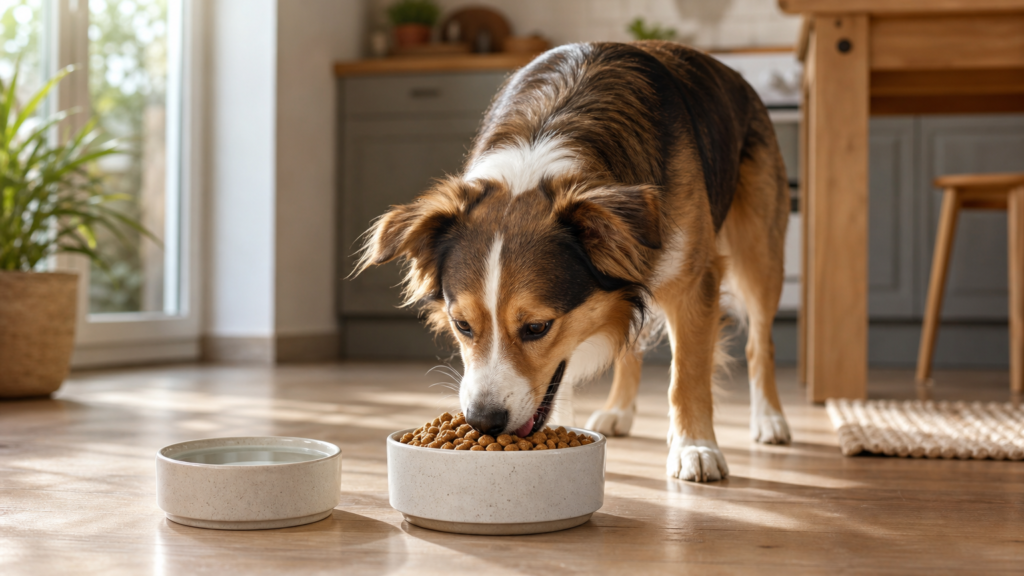
What Is Gut Health in Dogs and Why Does It Matter?
Gut health in dogs depends on the balance between beneficial and harmful bacteria in the digestive tract. Research shows that changes in the gut microbiome can cause — or be caused by — gastrointestinal disorders. In other words: an unbalanced gut and disease go hand in hand, in a self-feeding cycle.
When the microbiome is healthy, the dog digests well, absorbs nutrients, produces firm stools, and keeps the immune system strong. When it becomes unbalanced (dysbiosis), the result can show up as digestive issues, skin allergies, bad breath, and even behavior changes.
The key detail: many signs of an unbalanced gut are silent or subtle — and that’s exactly why they go unnoticed until they become a bigger problem.
And when the unexpected does happen, coverage for unexpected vet expenses helps you focus on your dog’s care and recovery, not the vet bills.
See, you might also enjoy reading: Alternative Proteins for Dogs With Allergies: 7 Options
Gut Health in Dogs: The 7 Signs of an Unbalanced Gut
Watch for these signs. If your dog shows one or more of them regularly, it’s worth a conversation with your vet:
1. Loose Stools or Recurring Diarrhea
The most obvious sign of an unbalanced gut. Loose, pasty stools or diarrhea that comes and goes without an apparent cause indicate the microbiome is out of balance. Note: healthy stools are firm, well-formed, and easy to pick up.
2. Constipation or Difficulty Defecating
An unbalanced gut can also move too slowly. Dogs that strain to defecate, go days without pooping, or produce dry, hard stools may have dysbiosis — and the problem deserves investigation.
3. Excessive Gas and a Bloated Belly
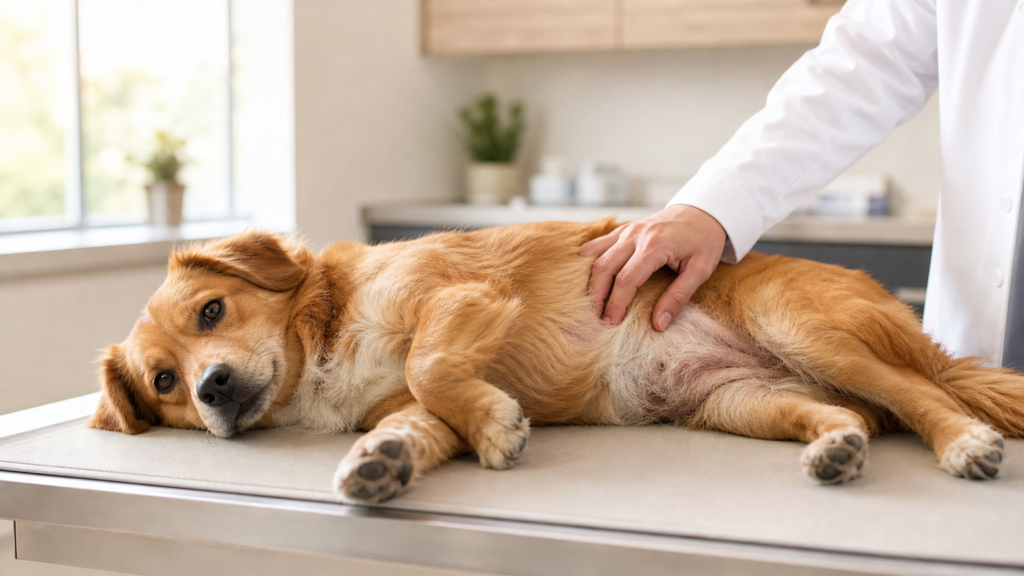
Frequent flatulence and a distended abdomen are classic signs of abnormal fermentation in the gut. When bad bacteria multiply, digestion becomes inefficient and gas increases — along with your dog’s discomfort.
4. Persistent Bad Breath
Bad breath doesn’t only come from the teeth: it can reflect what’s happening in the gut. A microbiome imbalance alters breath odor and can point to underlying digestive issues — in addition to being linked to oral health.
5. Dull Skin and Coat
The gut-skin connection is real. Dogs with compromised gut health in dogs often show itching, redness, dandruff, and a dull coat. Many skin allergies have roots in an unbalanced gut — treating only the skin, without looking at the gut, rarely solves it.
6. Occasional Vomiting or Regurgitation
Sporadic vomiting can be normal, but when it repeats or comes with other digestive signs, it indicates an irritated gastrointestinal tract. Dysbiosis can increase stomach and gut sensitivity.
7. Changes in Appetite and Behavior
Dogs with an unbalanced gut may eat less, lose interest in food, or — the opposite — beg for food constantly without gaining weight. Lethargy, apathy, and irritability can also be linked to chronic digestive discomfort.
See, you might also enjoy reading: Periodontal Disease in Dogs: 7 Warning Signs
What Causes an Unbalanced Gut in Dogs?
Dysbiosis doesn’t appear out of nowhere. The most common causes include:
- Sudden diet changes — switching food without a transition
- Antibiotic use — which also wipes out the good bacteria
- Stress — routine changes, travel, a new pet in the house
- Inappropriate diet — too many treats, table scraps, unbalanced meals
- Underlying diseases — parasites, food allergies, inflammatory bowel disease
Identifying the cause is essential: treating the symptom without treating the source is a recipe for the problem coming back.
How to Support Gut Health in Dogs: 5 Habits That Work
The good news is that gut health in dogs responds very well to simple, daily care:
- Gradual food transitions — always over 7 to 10 days, mixing old and new food.
- Quality nutrition — complete, balanced food appropriate for the life stage.
- Probiotics and prebiotics — with veterinary guidance, they help rebuild the microbiome (see our full guide on the topic).
- Routine and less stress — fixed schedules and a calm environment make a real difference.
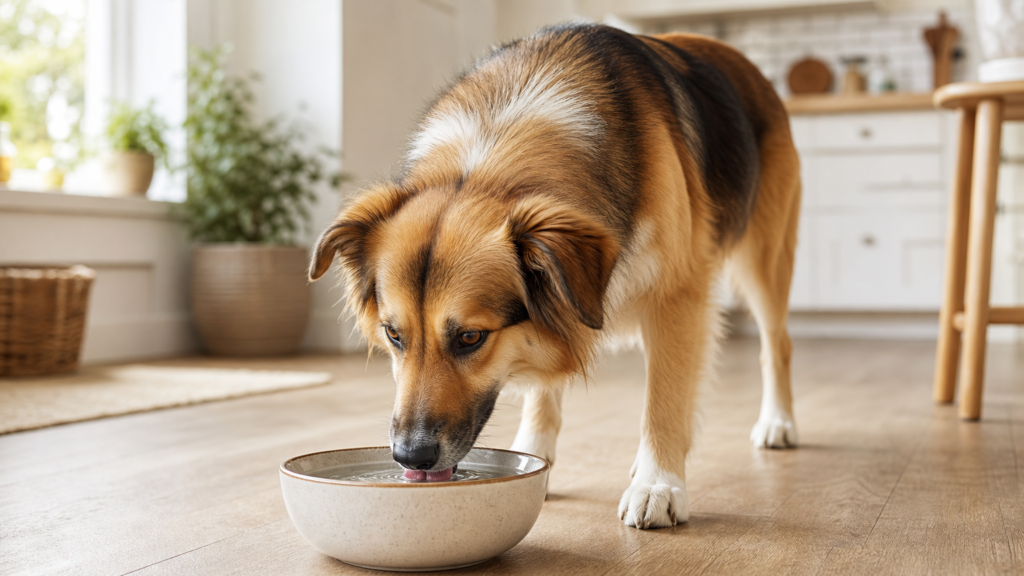
- Fresh water always — hydration is the foundation of healthy digestion.
See, you might also enjoy reading: Is Your Dog Scratching a Lot? 7 New Treatments That Actually Work
When to See the Vet
Some signs require immediate attention:
- ⚠️ Diarrhea with blood or very dark stools
- ⚠️ Frequent vomiting (more than 2 times in 24 hours)
- ⚠️ Obvious abdominal pain (dog won’t let you touch the belly)
- ⚠️ Unexplained weight loss
- ⚠️ Signs of dehydration (dry gums, intense lethargy)
In these cases, don’t wait: see the vet. An unbalanced gut can be a sign of something more serious — and early diagnosis changes everything.
For owners worried about the cost of these situations, an Illness & Injury plan is worth exploring.
Conclusion: Gut Health in Dogs Is the Foundation of Well-Being
Gut health in dogs isn’t a detail — it’s the foundation of overall health. Stools, gas, skin, breath, and behavior are the “control panel” that reveals how your dog’s gut is doing.
The 7 signs you saw here — loose stools, constipation, gas, bad breath, dull skin, vomiting, and behavior changes — are warnings your dog’s body is sending. Paying attention to them, caring for nutrition, and keeping up with veterinary check-ups is the best investment in your dog’s quality of life.
And for the routine side of that care — regular check-ups and prevention — a wellness plan for routine care is a great place to start.
Start today: observe your dog’s stools and check whether he shows any of the 7 signs. If yes, schedule a visit. If not, keep up the good habits — your dog will thank you with a wagging tail and a happy belly.