Smart Dog Collar Review: A Veterinarian’s Guide to the Best Smart Collars of 2026
As a veterinarian, I review the best smart dog collars of 2026 — comparing GPS tracking, health monitoring, battery life, and which features actually matter for your dog.
As a veterinarian, I’ve watched smart dog collars evolve from simple GPS trackers into full health-monitoring devices that can track your dog’s activity, sleep, heart rate, and even detect early signs of illness.
These collars are no longer just for finding a lost dog. The best ones give you a window into your dog’s health that was previously only possible in a veterinary clinic — helping you catch problems early, monitor chronic conditions, and understand your dog’s daily well-being.
But here’s the challenge: the market is crowded, features vary wildly, and prices range from $50 to $500+. Choosing the wrong collar means wasting money on features you don’t need — or missing the ones that matter most.
In this guide, I’ll review the best smart dog collars of 2026, explain what features actually matter from a veterinary perspective, and help you choose the right one for your dog.
🟢 What Is a Smart Dog Collar?
A smart dog collar is a wearable device that combines multiple technologies:

🔑 Key insight: Not all smart collars do all of these. Some focus on GPS; others focus on health. Choose based on what matters most for your dog.
🟡 The Best Smart Dog Collars of 2026
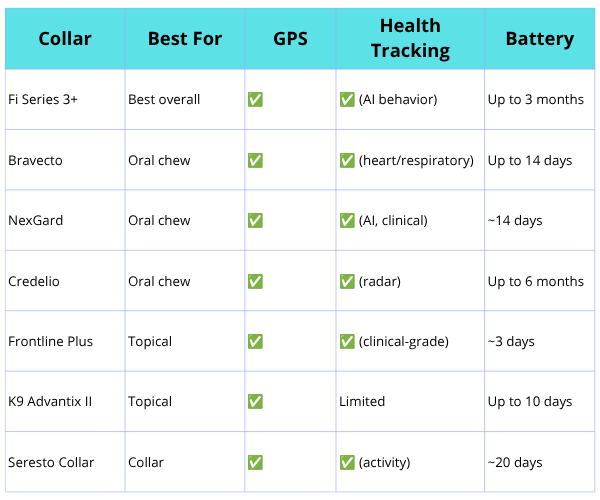
Based on testing from Wirecutter, PCMag, and dog trainer reviews, here are the top options:
🔴 What to Look For in a Smart Dog Collar
From a veterinary perspective, here’s what actually matters:
1. Health Monitoring (The Game-Changer)
The most valuable feature is health monitoring. The best collars track:
- Heart rate — detect irregularities early
- Respiratory rate — catch breathing problems
- Activity levels — sudden drops can signal illness
- Sleep quality — poor sleep can indicate pain or stress
- Scratching/licking — early signs of allergies or skin issues
🔑 Key insight: A sudden change in your dog’s activity or sleep pattern is often the first sign of illness — before visible symptoms. Smart collars catch these changes early.
2. GPS Tracking
- Real-time location — essential for escape recovery
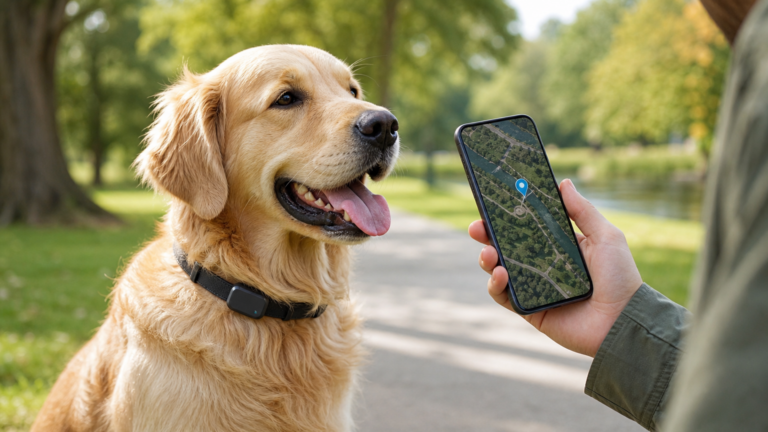
- Geofencing — alerts when your dog leaves a safe zone
- Location history — see where your dog has been
3. Battery Life
- Daily charging is a hassle
- Look for 7+ days minimum
- Some collars last weeks to months (Fi, Invoxia)
4. App Quality
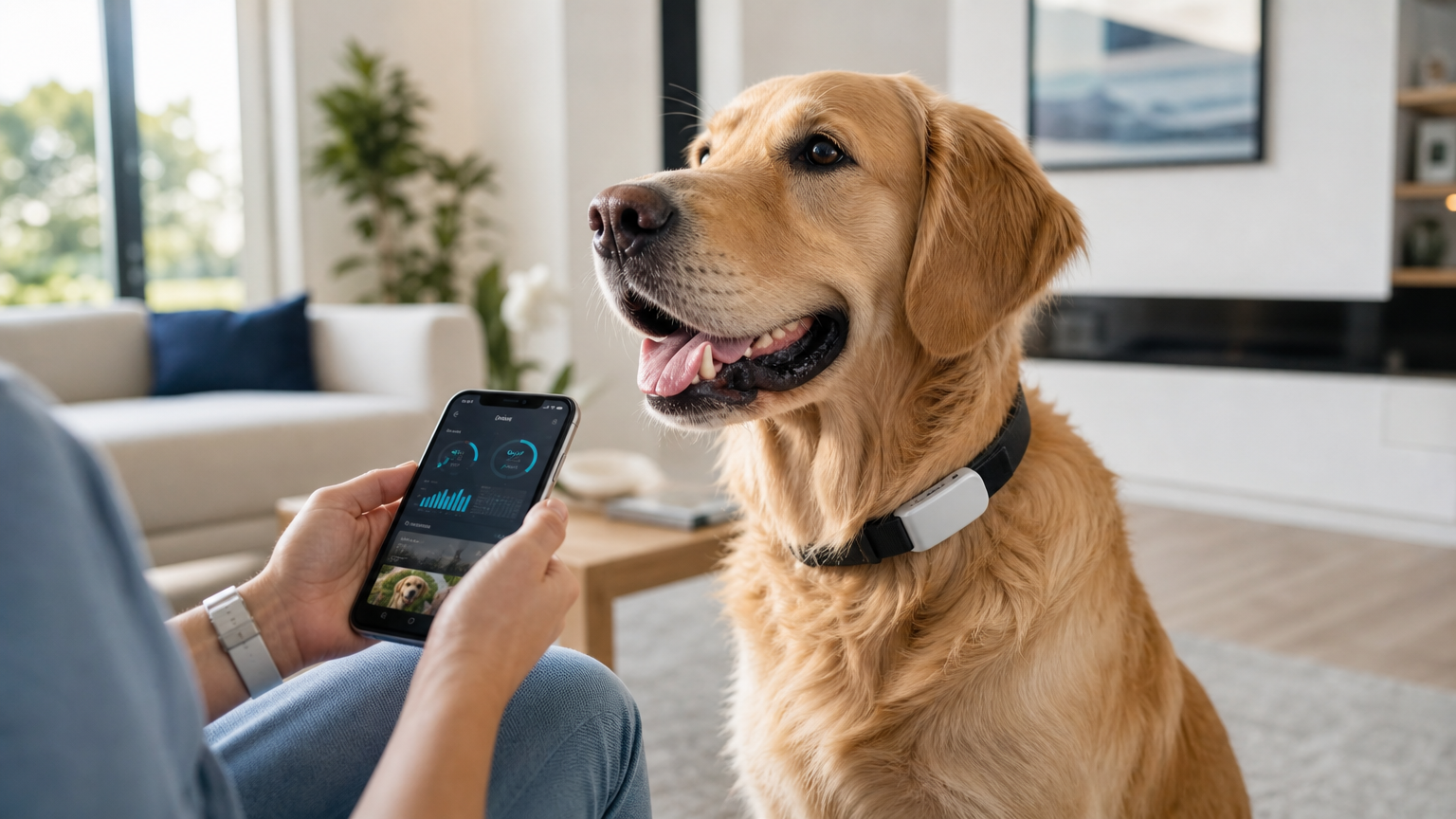
The app is where you’ll see all the data. Look for:
- Easy-to-read dashboards
- Health trend charts
- Reliable notifications
- Multi-user support
5. Durability and Comfort
- Waterproof (IP67/IPX7)
- Lightweight for your dog’s size
- Comfortable for all-day wear
6. Subscription Cost
Most smart collars require a subscription for GPS and data. Factor this into the total cost.
🟠 Health Monitoring: The Veterinary Perspective
This is where I get excited as a veterinarian. The best smart collars now offer features that were once only available in clinics:
What the Best Collars Can Detect
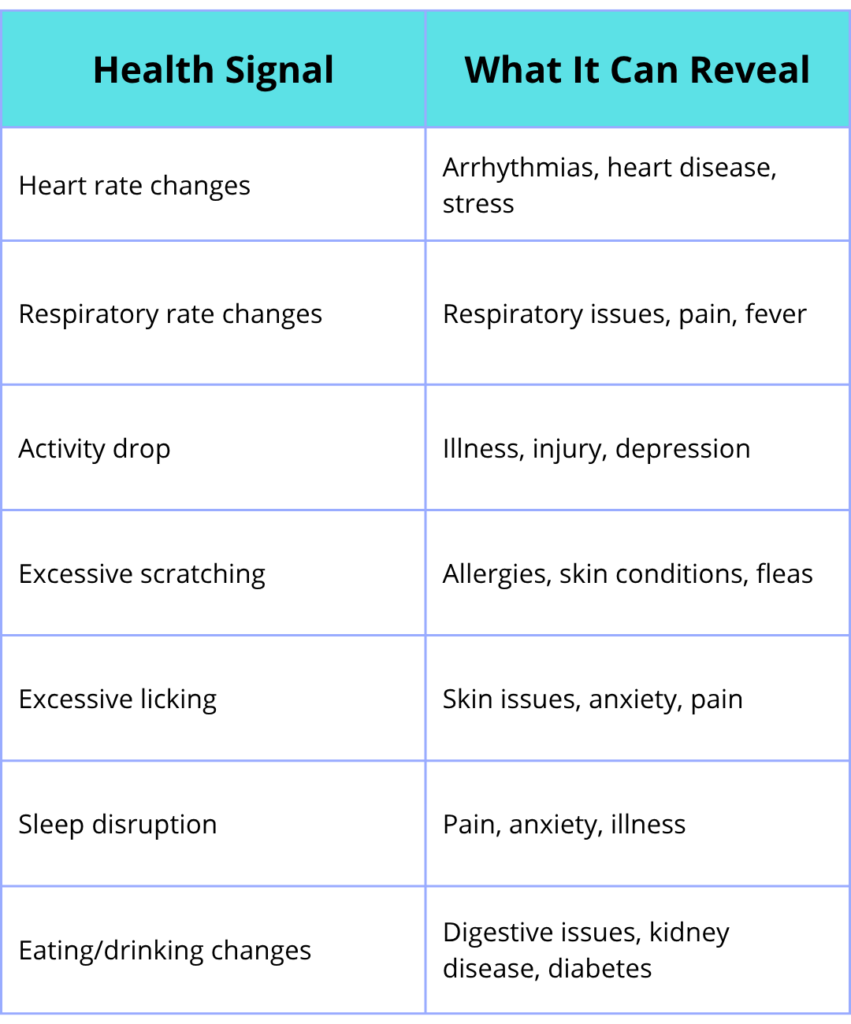
🔑 Key insight: These collars aren’t a replacement for veterinary care — but they’re an excellent early warning system that helps you know when to call your vet.
🟡 Real-World Use: How Owners Benefit
Scenario 1: The Escape Artist
A dog with a smart collar that has GPS + geofencing. When the dog slips out the backyard gate, the owner gets an instant escape alert with the dog’s live location — and finds them in minutes, not hours.
Scenario 2: The Senior Dog
An older dog with a smart collar tracking activity and sleep. The owner notices the dog’s activity dropping and sleep becoming restless — an early sign of arthritis. They catch it early and start treatment before it becomes severe.
Scenario 3: The Allergy-Prone Dog
A dog prone to skin allergies. The smart collar detects increased scratching — the owner catches the flare-up early, before it becomes a full-blown skin infection.
🔵 Choosing the Right Collar (Step by Step)
- Decide your priorities — GPS? Health? Both?
- Set your budget — including the subscription cost
- Consider your dog’s size — some collars are too heavy for small dogs
- Check battery life — how often will you charge it?
- Read the app reviews — the app matters as much as the collar
- Factor in the subscription — most require one
- Choose based on your dog’s needs — senior dogs benefit most from health tracking
🟣 Tips From a Veterinarian
1. Use the Data, Don’t Obsess Over It
Smart collar data is a tool, not a diagnosis. Use it to notice trends and know when to call your vet — don’t panic over every small fluctuation.
2. Establish a Baseline
Let the collar track your dog for 2–4 weeks to establish a normal baseline. Then you can spot meaningful changes.
3. Don’t Skip Veterinary Care
A smart collar is a complement, not a replacement, for regular vet checkups and preventive care.
4. Keep It Charged
A dead collar is useless. Set a charging reminder — most apps send low-battery alerts.
5. Choose the Right Size
A heavy collar on a small dog is uncomfortable. Check the weight recommendations.
❓ Frequently Asked Questions
Are smart dog collars worth it? For most owners, yes — especially those with escape-prone dogs, senior dogs, or dogs with health conditions. The health monitoring alone can catch problems early.
What’s the best smart dog collar overall? Fi Series 3+ is frequently rated best overall for its balance of GPS, health tracking, and long battery life. Tractive Dog 6 is the best value for GPS + health.
Do smart collars require a subscription? Most do — for GPS data and cloud storage. Subscriptions typically run $80–$120/year. Some (like Whistle) include a period of coverage with the collar purchase.
Can a smart collar detect illness? The best ones can detect early warning signs — changes in heart rate, activity, sleep, scratching, or eating — that often precede visible symptoms. They’re an early warning system, not a diagnostic tool.
Are smart collars safe for dogs? Yes, when used properly. Choose a collar appropriate for your dog’s size, ensure it fits comfortably, and follow the manufacturer’s guidance.
Final Thoughts
As a veterinarian, I believe smart dog collars are one of the most exciting developments in pet care. They give owners a window into their dog’s health that was previously impossible — and they help catch problems early, when they’re most treatable.
The best collar for you depends on your dog’s needs and your budget. For most owners, a collar with GPS + health monitoring is the sweet spot — it keeps your dog safe and gives you valuable health insights.
Your dog can’t tell you when something’s wrong. A smart collar helps you listen.