
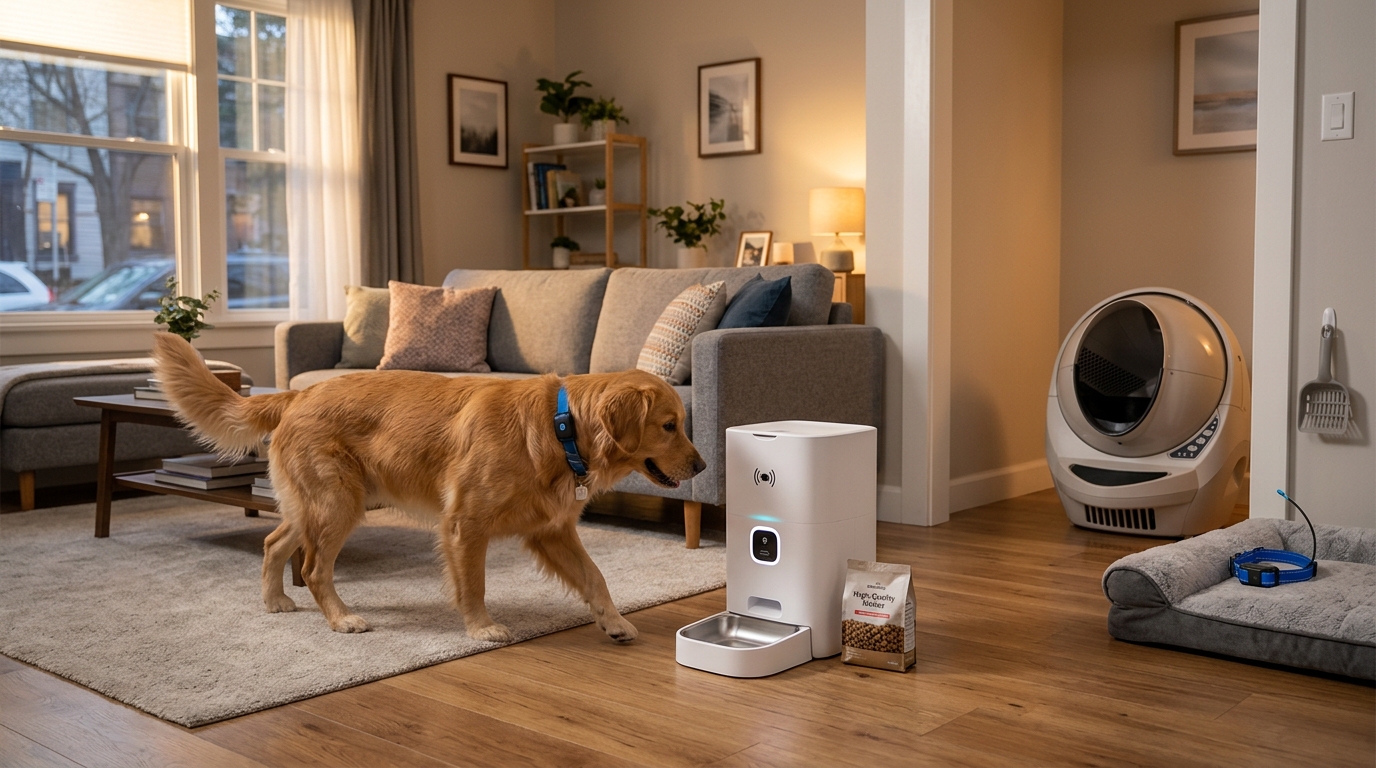
Best Automatic Cat Feeder: A Veterinarian’s Complete Guide to Smart Feeding (2026)
As a veterinarian, I help you choose the best automatic cat feeder — comparing smart features, portion control, and reliability — so your cat eats right even when you’re away.
As a veterinarian, I see a lot of overweight cats. And one of the most common causes? Free-feeding — leaving a bowl of food out all day and letting your cat eat whenever they want.
That’s where an automatic cat feeder comes in. It’s not just a convenience gadget — it’s a genuine health tool. A good automatic feeder gives you precise portion control, consistent meal times, and the freedom to be away from home without worrying about your cat’s meals.
But here’s the challenge: the market is flooded with options, from basic $30 timers to $300 smart feeders with cameras and apps. Choosing the wrong one can mean jams, broken schedules, or a cat that learns to hack the feeder.
In this guide, I’ll help you understand what matters in an automatic cat feeder, compare the best options of 2026, and choose the right one for your cat and lifestyle.
🟢 Why Your Cat Needs an Automatic Feeder
From a veterinary perspective, automatic feeders solve several real problems:
Tabela 01
🔑 Key insight: A cat that eats 2–4 scheduled meals a day — rather than grazing all day — is far less likely to become overweight. Portion control is the #1 benefit of an automatic feeder.
🟡 Types of Automatic Cat Feeders
1. Basic Timed Feeders ($30–$80)
- Dispense food at preset times
- No app or Wi-Fi
- Simple, reliable, battery-powered
- Best for: Budget buyers, simple schedules
2. Smart WiFi Feeders ($80–$200)
- Controlled via smartphone app
- Schedule meals remotely
- Portion control (grams or cup increments)
- Notifications when food is dispensed
- Best for: Most owners, remote control, portion precision
3. Feeders With Camera ($120–$300)
- Built-in camera for live viewing
- Two-way audio (talk to your cat)
- Some have AI features (meal tracking, alerts)
- Best for: Pet parents who travel, want to check in
4. Microchip Feeders ($150–$250)
- Only opens for the registered cat’s microchip or collar tag
- Prevents food theft in multi-cat homes
- Best for: Multi-cat households, cats on different diets
5. Wet Food Feeders (refrigerated)
- Keeps wet food cold and fresh
- Dispenses on schedule
- Best for: Cats on wet food diets
🔴 The Best Automatic Cat Feeders of 2026
Based on testing from Wirecutter, WIRED, CNN, and Cats.com, here are the top-rated options:
Tabela 02
🟠 What to Look For in an Automatic Cat Feeder
1. Reliability (The #1 Factor)
A feeder that jams or fails is worse than no feeder. Look for:
- Anti-jam mechanisms for the kibble
- Battery backup (in case of power outage)
- Manual feed option (in case of malfunction)
- Good reviews for reliability over time
2. Portion Control
- Look for precise portion settings (grams or small increments)
- Avoid feeders with only “small/medium/large” vague settings
- More meals per day (up to 6+) is better for cats
3. Capacity
- 3L–5L is typical for dry food
- Consider how long you’ll be away
- Larger capacity = fewer refills
4. App Quality
If you’re buying a smart feeder, the app matters:
- Easy scheduling
- Reliable notifications
- Portion adjustment
- Multi-user support (so family members can control it)
5. Food Type Compatibility
- Dry food: Most feeders work well
- Wet food: Need refrigerated/specialized feeders
- Mixed diets: Look for dual-hopper or compatible models
6. Ease of Cleaning
Feeders need regular cleaning. Look for:
- Removable, dishwasher-safe parts
- Easy-to-clean food hoppers
- Minimal crevices where food can get stuck
🟡 Smart Features Worth Paying For
Not every smart feature is worth the extra cost. Here’s my honest take:
Worth It
- Portion control — the core health benefit
- Scheduling flexibility — multiple meals, easy adjustments
- Remote feeding — feed your cat from anywhere
- Low-food alerts — know when to refill
- Battery backup — peace of mind during outages
Nice to Have
- Camera — great for travel, but adds cost
- Two-way audio — talk to your cat
- AI meal plans — convenient, but not essential
- Voice recording — call your cat to feed
Skip If Budget Is Tight
- Fancy AI features — the basics (portion + schedule) matter most
- Premium cameras — a basic feeder does the job
🔵 How to Choose the Right Feeder (Step by Step)
- Decide your budget —
$30–$300depending on features - Consider your cat’s diet — dry, wet, or mixed?
- Count your cats — multi-cat needs microchip or multiple feeders
- Think about your lifestyle — do you need remote control and a camera?
- Check reliability reviews — especially for jams and app issues
- Measure your space — some feeders are large
- Read the cleaning requirements — you’ll need to maintain it
🟣 Tips From a Veterinarian
1. Transition Gradually
Don’t switch from free-feeding to scheduled meals overnight. Start with small, frequent meals and adjust over 1–2 weeks.
2. Weigh Your Cat’s Food
Even with an automatic feeder, know exactly how much your cat should eat per day (ask your vet — it depends on weight, age, and activity). Set the feeder to match.
3. Monitor Weight
Weigh your cat monthly. If weight changes, adjust portions. An automatic feeder makes this easy — just change the settings.
4. Keep Water Available
An automatic feeder handles food, but your cat still needs fresh water. Consider a water fountain alongside the feeder.
5. Clean Regularly
Clean the feeder’s hopper and bowl weekly to prevent stale food and bacterial buildup.
❓ Frequently Asked Questions
Are automatic cat feeders worth it? Yes, especially for portion control and consistent meal times. They help prevent obesity — the most common nutritional problem in cats — and give you freedom to be away.
Can an automatic feeder handle wet food? Standard feeders handle dry food only. For wet food, you need a refrigerated wet food feeder (like PETLIBRO’s) that keeps food cold and fresh.
Will my cat learn to hack the feeder? Some clever cats figure out how to trigger the manual feed button. Look for feeders with lockable manual feed or anti-tamper features if your cat is determined.
How much food should my cat eat per day? It depends on weight, age, and activity — typically 1/3 to 1/2 cup of dry food per day for an average adult cat. Ask your veterinarian for a precise amount for your cat.
What’s the best automatic feeder for multiple cats? A microchip feeder (like Sure Petcare) only opens for the registered cat, preventing food theft. Alternatively, use multiple feeders in different locations.
Final Thoughts
As a veterinarian, I see automatic feeders as more than a convenience — they’re a health tool that helps prevent obesity and supports consistent nutrition.
The best feeder for you depends on your budget, your cat’s diet, and your lifestyle. Start with the basics that matter most: reliable dispensing, precise portion control, and a schedule that fits your cat’s needs.
Your cat may not thank you for the smaller portions — but their health will.


[…] See, you might also enjoy reading: Best Automatic Cat Feeder: A Veterinarian’s Complete Guide to Smart Feeding (2026) […]