Best Self-Cleaning Litter Box: A Veterinarian’s Complete Guide (2026)
As a veterinarian, I review the best self-cleaning litter boxes of 2026 — comparing safety, capacity, noise, and the features that actually matter for your cat.
As a veterinarian, I talk to cat owners every day — and almost all of them share one common frustration: scooping the litter box.
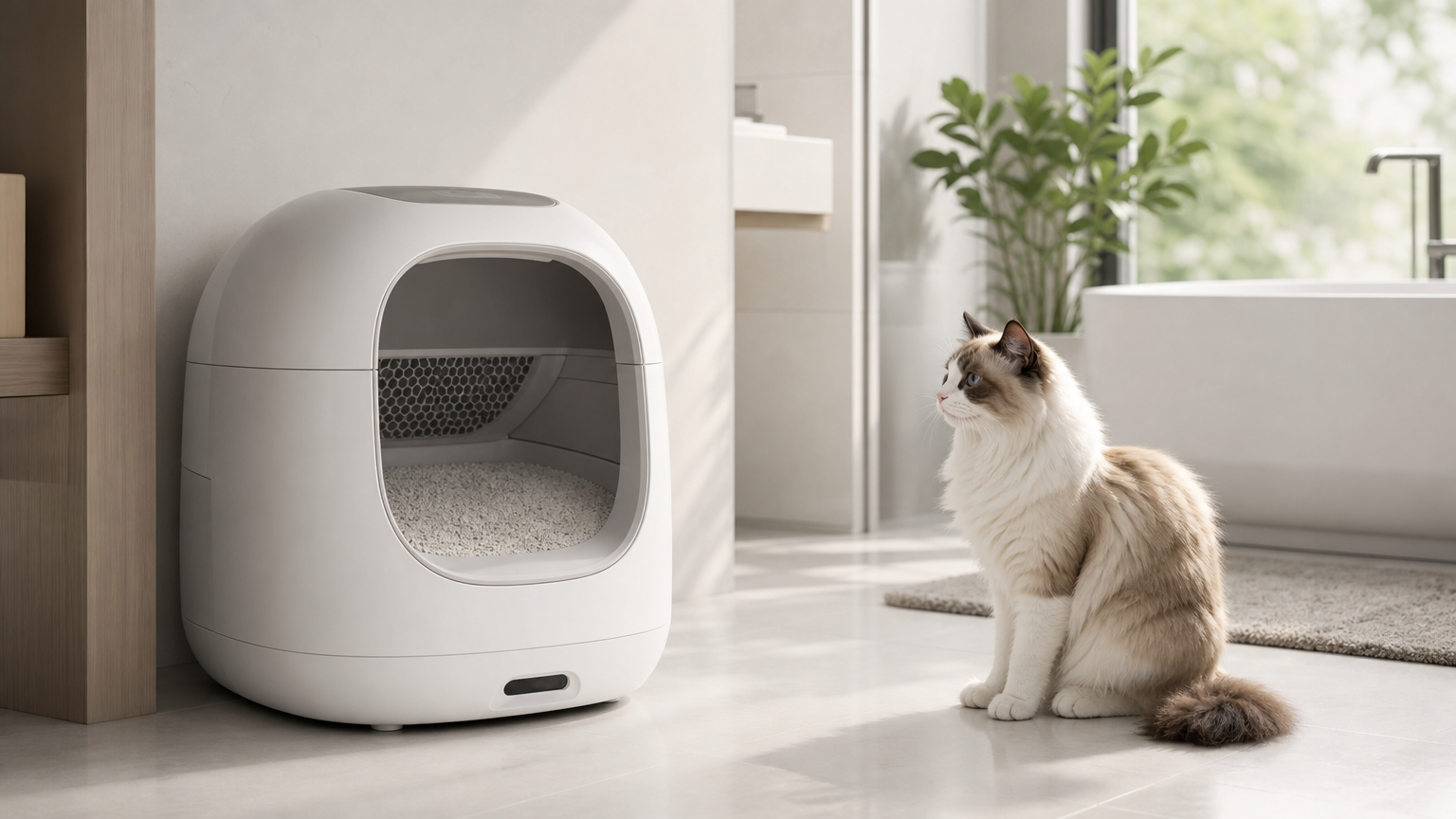
It’s smelly, it’s messy, and it’s a daily chore nobody enjoys. That’s why self-cleaning litter boxes have exploded in popularity. The best ones scoop themselves, control odor, and track your cat’s health — giving you back your time and your nose.
But here’s the honest truth: not all self-cleaning litter boxes are created equal. Some are brilliant. Some are buggy. And some — the ones that worry me as a veterinarian — have safety issues that can put your cat at risk.
In this guide, I’ll review the best self-cleaning litter boxes of 2026, explain what safety features actually matter, and help you choose the right one for your cat and your home.
🟢 How Self-Cleaning Litter Boxes Work
Self-cleaning litter boxes use different mechanisms to separate waste from clean litter:

🟡 The Best Self-Cleaning Litter Boxes of 2026
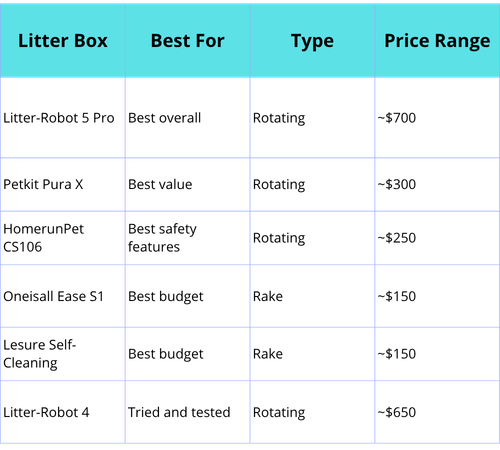
Based on testing from Wirecutter, WIRED, CNN, and Cats.com (which tested 36 models), here are the top options:
🔴 Safety: The Most Important Factor (From a Vet’s Perspective)
This is where I need your attention most. Safety is the #1 concern with self-cleaning litter boxes.
The Critical Safety Features

What to Avoid
- No weight sensor — the box could cycle with your cat inside
- Slow stop time — the mechanism should stop in under 1 second
- Small entry with sharp edges — injury risk
- Unverified safety claims — look for independent testing and reviews
🔑 Key insight: A litter box that cycles while your cat is inside is a serious injury risk. Never buy a self-cleaning box without reliable weight sensors and safety-stop technology.
🟠 What Else to Look For
1. Size and Capacity
- Large cats need larger boxes — check dimensions
- Waste drawer capacity — fewer emptying trips with a bigger drawer
- Multi-cat capacity — some boxes handle up to 4 cats
2. Odor Control
- Sealed waste drawer — contains odors
- Carbon filters — neutralize smells
- Automatic deodorizing — some spray or activate after cleaning
3. Noise Level
- Cats are sensitive to noise — quiet motors matter
- Some cats refuse to use noisy boxes
- Look for models rated under 45 dB
4. App and Smart Features
- Usage tracking — monitor how often your cat uses the box
- Health insights — detect changes in frequency (early sign of illness)
- Remote control — start a cleaning cycle from your phone
- Notifications — alerts when the drawer is full
5. Ease of Maintenance
- Removable, washable parts
- Easy waste drawer disposal — liner bags recommended
- Low ongoing costs — consider replacement filters and bags
6. Litter Compatibility
- Clumping litter is generally required
- Some boxes work best with specific litter brands
- Check compatibility before buying
🟡 Are They Worth the Cost?
This is the most common question — and the answer depends on your situation:
Worth It If…
- You’re tired of daily scooping (the #1 reason)
- You have multiple cats — more waste, more scooping
- You travel or work long hours — the box stays clean
- You want health monitoring — tracking litter box usage
- You can afford the upfront cost —
$200–$700
Maybe Not If…
- Your cat is very skittish — may refuse to use automated boxes
- Your cat is very large or very small — sizing issues
- Your budget is tight — even budget models are
$100+ - You have one cat with simple needs — a regular box may suffice
👉 My take: For most multi-cat households, a quality self-cleaning box pays for itself in saved time and sanity. For single cats, weigh the cost against your willingness to scoop.
🔵 Tips From a Veterinarian
1. Transition Gradually
Don’t throw away the old box on day one. Place the new box next to the old one, and let your cat adjust over 1–2 weeks before removing the old box.
2. Watch for Refusal
Some cats refuse automated boxes. Signs: avoiding the box, eliminating elsewhere, or excessive scratching around it. If your cat refuses after 2 weeks, it may not be the right fit.
3. Monitor Health
The app’s usage tracking is valuable — sudden changes in litter box frequency can signal urinary tract issues, diabetes, or kidney disease. That data can help your vet.
4. Keep a Backup
Even the best self-cleaning box can malfunction. Keep a regular litter box available as backup, especially during transitions.
5. Clean It Regularly
Self-cleaning doesn’t mean never-cleaning. The waste drawer still needs emptying every 1–2 weeks, and the box itself needs periodic deep cleaning.
🟣 Common Mistakes to Avoid

❓ Frequently Asked Questions
Are self-cleaning litter boxes safe for cats? Yes, when they have proper safety features — weight sensors, safety-stop technology, and no pinch points. Always check these before buying. Models like Litter-Robot and HomerunPet have strong safety reputations.
How often do I need to empty the waste drawer? Typically every 1–2 weeks for one cat, more often for multiple cats. The app notifies you when the drawer is full.
Will my cat use a self-cleaning litter box? Most cats adapt, but some refuse. Transition gradually and watch for signs of refusal. Skittish cats may need extra time or a quieter model.
Can self-cleaning litter boxes detect health problems? The app tracks usage frequency, which can reveal changes — increased frequency can signal urinary issues, diabetes, or kidney disease. It’s an early warning system, not a diagnostic tool.
What’s the best self-cleaning litter box? Litter-Robot 5 Pro is the top pick in most 2026 reviews, praised for reliability and features. Petkit Pura X is the best value. For safety-focused buyers, HomerunPet CS106 stands out.
Final Thoughts
As a veterinarian, I believe a good self-cleaning litter box can genuinely improve life with cats — for you and for them. A consistently clean box reduces stress, controls odor, and even gives you valuable health insights.
The key is choosing safely and wisely: prioritize weight sensors and safety-stop technology, match the box to your cat’s size and needs, and transition gradually.
Your cat deserves a clean box. You deserve to never scoop again.