
Best Pet Insurance 2026: A Veterinarian’s Complete Guide to Choosing the Right Coverage
As a veterinarian, I compare the best pet insurance companies of 2026 — costs, coverage, and what actually matters — so you can protect your pet without overpaying.
As a veterinarian, I’ve seen it happen too many times: a pet owner faces a sudden $5,000 surgery bill and has to make an impossible choice — go into debt, or say goodbye to a beloved family member.
Pet insurance exists to prevent exactly that scenario. And in 2026, it’s more important than ever — veterinary care costs continue to rise, with U.S. pet care spending projected to exceed $30 billion this year.
But here’s the problem: there are dozens of pet insurance companies, each with different plans, deductibles, reimbursement rates, and exclusions. Choosing the wrong one can cost you thousands — or leave you uncovered when you need it most.
In this guide, I’ll help you understand how pet insurance works, compare the best companies of 2026, and choose the right coverage for your pet and budget.
🟢 How Pet Insurance Works
Pet insurance is reimbursement-based. You pay the vet bill, then submit a claim and get reimbursed. Here’s what you need to understand:

🔑 Key insight: Pet insurance is designed for unexpected accidents and illnesses — not routine care (though some plans offer wellness add-ons). It’s a safety net, not a subscription.
🟡 The Best Pet Insurance Companies of 2026
Based on comprehensive reviews from U.S. News, Forbes, NerdWallet, and Wirecutter, here are the top-rated companies and what they’re best for:

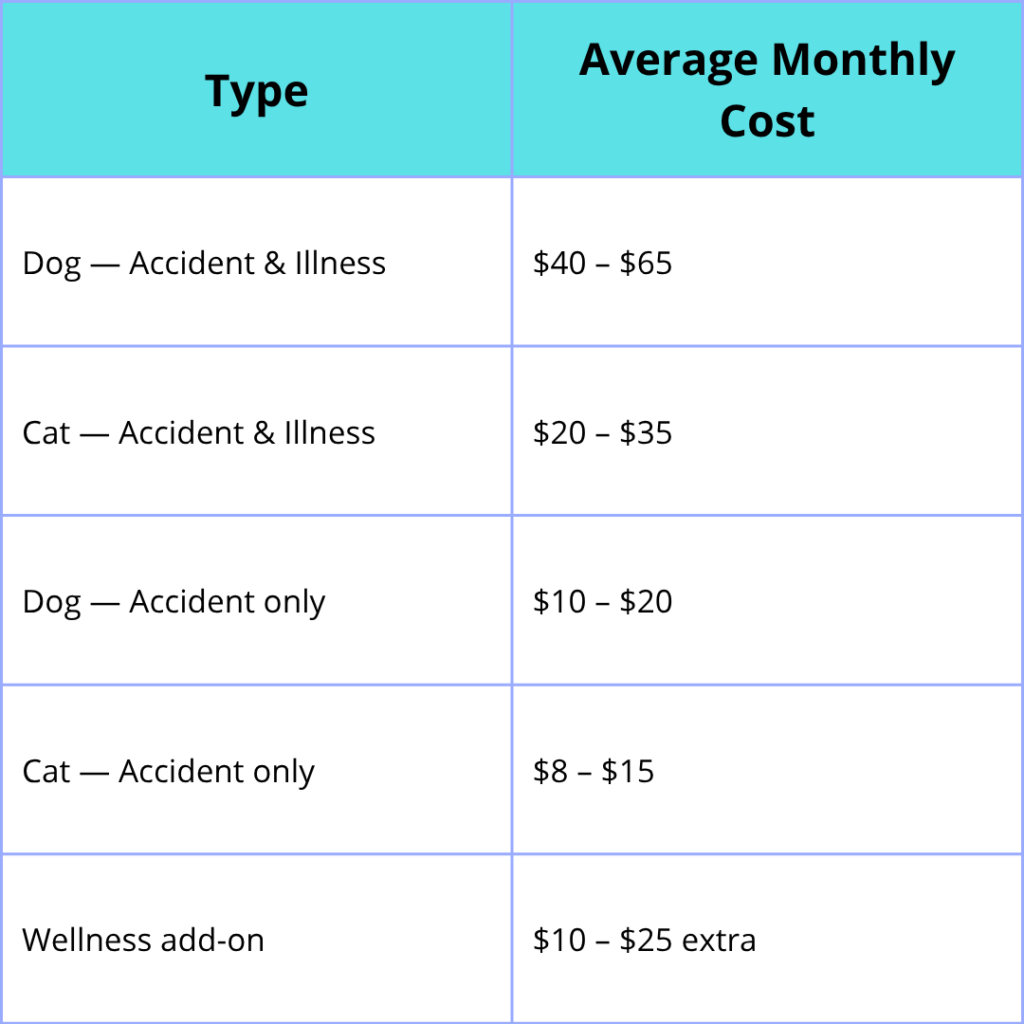
🔴 Average Pet Insurance Costs (2026)
Costs vary by company, pet age, breed, and location. Here are realistic averages:
Factors that affect your premium:
- Age — puppies/kittens are cheapest; premiums rise with age
- Breed — some breeds have higher risk of hereditary conditions
- Location — veterinary costs vary by region
- Deductible — higher deductible = lower premium
- Reimbursement rate — higher rate = higher premium
- Annual limit — higher limit = higher premium
👉 Pro tip: The best time to buy pet insurance is while your pet is young and healthy — before any pre-existing conditions develop.
🟠 What to Look For in a Pet Insurance Plan
Not all plans are created equal. Here’s what actually matters:
1. Coverage for Hereditary and Congenital Conditions
Many breeds are prone to conditions like hip dysplasia, heart disease, or allergies. Make sure these are covered — some cheap plans exclude them.
2. Exam Fees
Some plans cover the cost of the vet exam itself; others only cover diagnostics and treatment. Exam fees can add up quickly.
3. Reimbursement Rate
A 90% reimbursement rate is far better than 70% in the long run — even if the premium is higher.
4. Annual vs. Per-Incident Deductible
- Annual deductible: You pay once per year, then coverage kicks in
- Per-incident deductible: You pay for each new condition — can add up fast
5. Waiting Periods
Most plans have a 14-day waiting period for illness. Some have longer periods for specific conditions (like cruciate ligament injuries — often 6 months).
6. Pre-Existing Condition Policy
Pre-existing conditions are almost never covered. Buy insurance early to avoid this.
7. Wellness / Preventive Care Add-Ons
These cover routine care — vaccines, dental cleanings, annual exams. Worth it if you’d otherwise pay out of pocket.
🟡 Is Pet Insurance Worth It?
This is the question I hear most. Here’s my honest answer as a veterinarian:
When It’s Worth It
- Puppies and kittens — before conditions develop
- Breed-prone conditions — e.g., French Bulldogs (respiratory), Golden Retrievers (cancer), German Shepherds (hip dysplasia)
- Owners who can’t afford a sudden
$3,000–$10,000bill - Peace of mind — knowing you won’t have to choose between finances and your pet’s life
When It May Not Be Worth It
- Senior pets with many pre-existing conditions — most won’t be covered
- Very tight budgets — the premium may strain finances more than occasional vet bills
- Healthy pets with owners who can comfortably self-fund — a savings account can work
🔑 Key insight: Pet insurance is a risk transfer. You pay a predictable monthly cost to avoid an unpredictable, potentially devastating bill. For most pet owners, it’s worth it — especially in the first years.
🔵 How to Choose the Right Plan (Step by Step)
- Get quotes from 3–4 companies — use a comparison tool
- Compare coverage, not just price — the cheapest plan often covers the least
- Choose a reimbursement rate of 80–90% — the higher the better
- Pick a deductible you can afford — balance premium vs. deductible
- Check the annual limit —
$5,000–$10,000is common; unlimited is best - Read the exclusions — know what’s NOT covered
- Buy early — before pre-existing conditions develop
🟣 Common Mistakes to Avoid

❓ Frequently Asked Questions
What’s the best pet insurance company overall? ASPCA Pet Health Insurance is frequently rated best overall for its broad coverage. But the “best” depends on your pet’s age, breed, and your budget — compare quotes from multiple companies.
How much does pet insurance cost in 2026? On average, $40–$65/month for dogs and $20–$35/month for cats for accident & illness coverage. Accident-only plans are cheaper.
Can I insure an older pet? Yes, but premiums are higher and pre-existing conditions won’t be covered. Some companies (like Pumpkin) have no upper age limit.
Is pet insurance worth it for a healthy puppy? Yes — this is the best time to buy. You lock in lower rates and avoid pre-existing condition exclusions before any health issues develop.
Does pet insurance cover routine checkups? Standard accident & illness plans don’t. But many companies offer wellness add-ons that cover vaccines, dental cleanings, and annual exams for an extra cost.
Final Thoughts
As a veterinarian, I can’t recommend pet insurance strongly enough for most pet owners. A single emergency — a foreign body surgery, a broken leg, a cancer diagnosis — can cost $3,000–$10,000. Insurance turns that unpredictable, potentially devastating bill into a manageable monthly cost.
The key is choosing the right plan — not just the cheapest one. Compare coverage, read the exclusions, and buy early while your pet is healthy.
Your pet is family. Protect them the same way you’d protect any family member.