
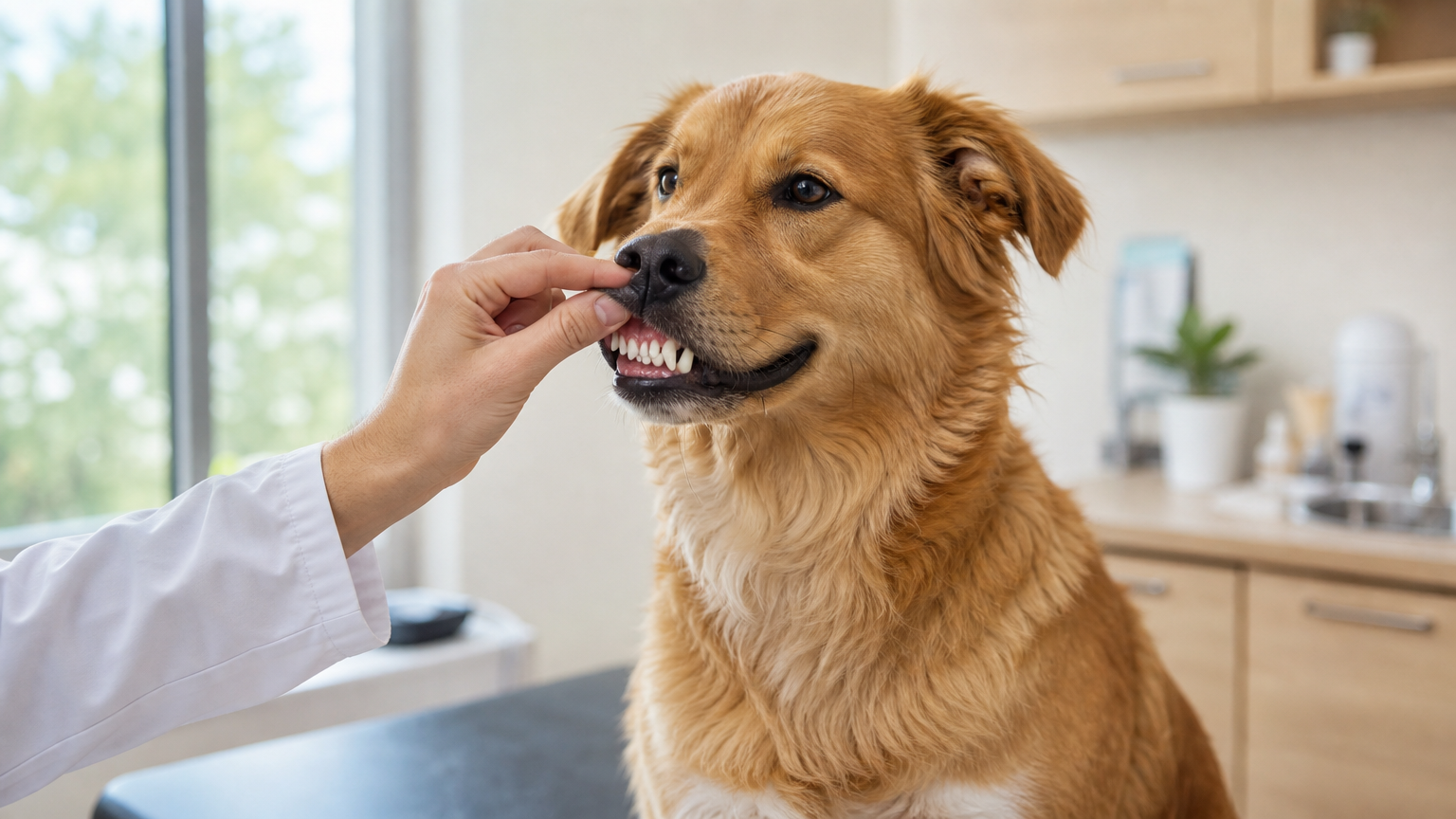
Periodontal Disease in Dogs: 7 Warning Signs
That “doggy breath” you think is normal might not be so harmless after all. Persistent bad breath is, in most cases, the first visible sign of a much more serious problem: periodontal disease in dogs.
The numbers are striking: periodontal disease in dogs is the most common oral disease in veterinary medicine, affecting about 80% of adult dogs — and some studies report prevalence as high as 88% in dogs seen at veterinary hospitals. Even so, few owners know how to spot the signs before the problem progresses.
The good news? With attention to symptoms and preventive care, the disease can be avoided or managed.
If you want to make preventive care easier to keep up with, Odie’s Wellness Plan is an option worth checking out.
In this article, you’ll learn the 7 warning signs no owner should ignore.

Periodontal Disease in Dogs: What It Is and Why You Should Care
Periodontal disease in dogs is an inflammation caused by the buildup of bacterial plaque on the teeth and gums. It starts as gingivitis (gum inflammation) and, without treatment, progresses to periodontitis — when the infection reaches the structures that hold the tooth in place: the ligament, the cementum, and the alveolar bone.
The problem doesn’t stop at the mouth. Bacteria from inflamed gums can enter the bloodstream and affect the heart, kidneys, and liver. That’s why periodontal disease in dogs is considered a threat to overall health — not just a cosmetic issue.
The disease progresses in 4 stages:
- Stage 1: gingivitis — red, inflamed gums, no bone loss
- Stage 2: early periodontitis — initial loss of tooth support
- Stage 3: moderate periodontitis — significant bone loss
- Stage 4: advanced periodontitis — loose teeth, severe pain, risk of tooth loss
The earlier the diagnosis, the simpler and cheaper the treatment — and the better the chance of saving the teeth.
And if treatment brings unexpected costs, coverage for unexpected vet expenses helps you focus on your dog’s care and recovery, not the vet bills.
Periodontal Disease in Dogs: The 7 Warning Signs
Watch for these signs. If your dog shows one or more of them, schedule a veterinary evaluation:
1. Persistent Bad Breath (Halitosis)
It’s the most common sign and often the first. If your dog’s breath is unpleasant even right after eating, there’s a strong chance of plaque and tartar buildup.
2. Red, Swollen, or Bleeding Gums
Healthy gums are light pink. Redness, swelling, or bleeding when brushing or chewing indicates active inflammation — the early stage of the disease.
3. Visible Tartar on the Teeth
Those yellowish or brown stains at the base of the teeth are calcified bacterial plaque. Besides being unsightly, tartar is a reservoir of bacteria that worsens inflammation.
4. Difficulty or Pain When Eating
A dog that chews on only one side, drops food, refuses hard kibble, or takes forever to eat may be experiencing mouth pain — a classic sign of periodontal problems.
5. Excessive Drooling or Drooling With Blood
Increased salivation, especially with blood or a strong odor, is an important red flag. Drooling can be the body’s way of trying to “wash” an inflamed mouth.
6. Loose or Falling Teeth
A loose tooth in an adult dog is never normal. When a tooth becomes loose, it means the disease has already destroyed much of the bone support — an advanced stage requiring immediate intervention.
7. Behavior Changes
Lethargy, irritability, reluctance to play, or avoiding touch around the face can indicate chronic pain. Many owners only realize their dog was suffering after treatment.
See, you might also enjoy reading: Is Your Dog Scratching a Lot? 7 New Treatments That Actually Work
Why Treating Periodontal Disease in Dogs Early Makes a Difference
Early treatment completely changes the prognosis. In stages 1 and 2, professional cleaning (scaling and polishing) under anesthesia, followed by daily brushing, usually reverses the condition. In stages 3 and 4, treatment is more invasive — it may include tooth extractions — and the pain is already significant.
Early treatment also protects vital organs. Studies link untreated periodontal disease to a higher risk of heart and kidney complications in dogs. In other words: caring for the mouth is caring for the heart, the kidneys, and overall quality of life.
For owners concerned about the cost of specialist procedures, an Illness & Injury plan is worth exploring.
How to Prevent Periodontal Disease in Dogs: Care That Works
Prevention is simple, affordable, and starts at home:
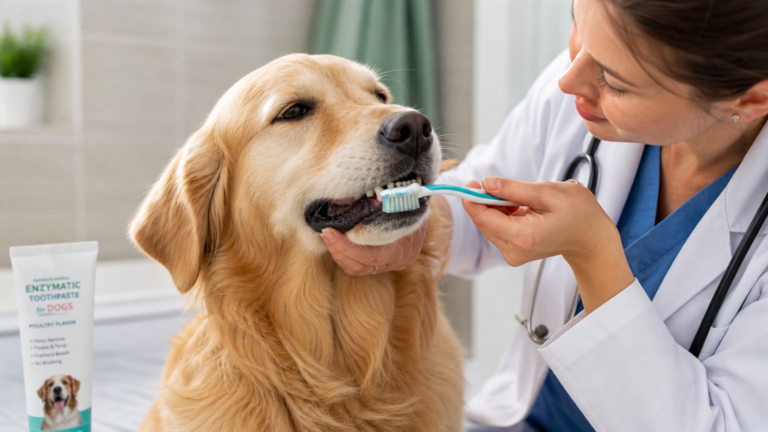
- Brush your dog’s teeth daily — it’s the most effective care that exists. Use toothbrushes and toothpaste made for pets (never human toothpaste, which contains fluoride in amounts toxic to dogs).
- Offer certified dental foods and treats that help reduce plaque through abrasion.
- Use chew toys appropriate for your dog’s size.
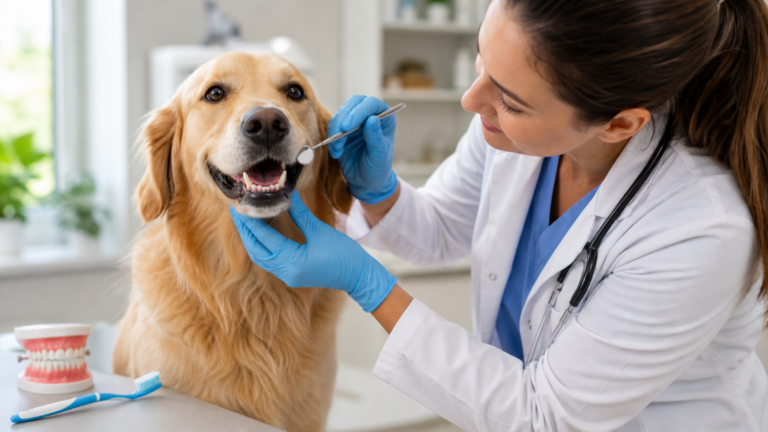
- Schedule annual dental check-ups with a veterinary oral evaluation.
- Start early: getting a puppy used to brushing makes the habit natural in adulthood.

See, you might also enjoy reading: GPS Tracker or AirTag: Which One Saves Your Dog When It Runs Away?
Conclusion: The Signs Are There — The Action Is Yours
Periodontal disease in dogs is silent, progressive, and affects the vast majority of adult dogs. But it’s also preventable and treatable — as long as you recognize the signs in time.
Bad breath, inflamed gums, tartar, difficulty eating, excessive drooling, loose teeth, and behavior changes: any of these 7 warning signs deserves a veterinary visit. Ignoring them means letting pain and infection advance — and paying a much higher price later.
And for the routine side of prevention — like regular check-ups and dental care — a wellness plan for routine care is a great place to start.
Today, look at your dog’s mouth and ask: does he show any of the 7 signs? If yes, schedule a dental evaluation. If not, start daily brushing today. Your dog can’t brush his own teeth — that responsibility is yours.


[…] See, you might also enjoy reading: Periodontal Disease in Dogs: 7 Warning Signs […]