How to Clean Dog Teeth: A Veterinarian’s Complete Guide to Canine Dental Care
As a veterinarian, I explain how to clean your dog’s teeth at home — from brushing techniques to dental chews and water additives — and why dental health affects more than just their breath.
As a veterinarian, I see it every day: a dog comes in for a routine checkup, and the owner is surprised when I mention their dog’s dental health. “But his breath has always been bad,” they say. “I thought that was normal.”
Here’s the truth: bad breath is not normal. It’s often the first sign of periodontal disease — a condition that affects the majority of dogs by the age of three.
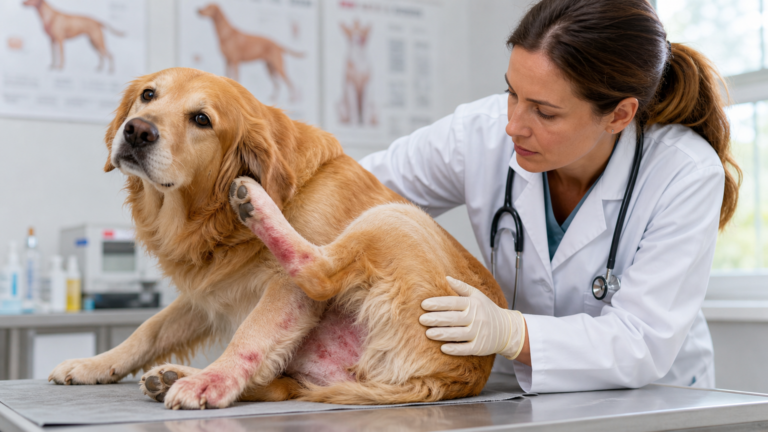
The problem is that dental disease doesn’t stay in the mouth. Bacteria from infected gums enter the bloodstream and can damage the heart, kidneys, and liver. What starts as “bad breath” can become a life-shortening condition.
The good news? Most dental disease is preventable with regular at-home care. In this guide, I’ll walk you through exactly how to clean your dog’s teeth, what products actually work, and when professional cleaning is necessary.
🟢 Why Dog Dental Care Matters — From a Veterinary Perspective
Periodontal disease is the most common clinical condition in adult dogs. Studies show that over 80% of dogs show some signs of dental disease by age three.

🔑 Key insight: Dental disease is progressive and cumulative. The earlier you start a home care routine, the more invasive (and expensive) procedures you prevent later.
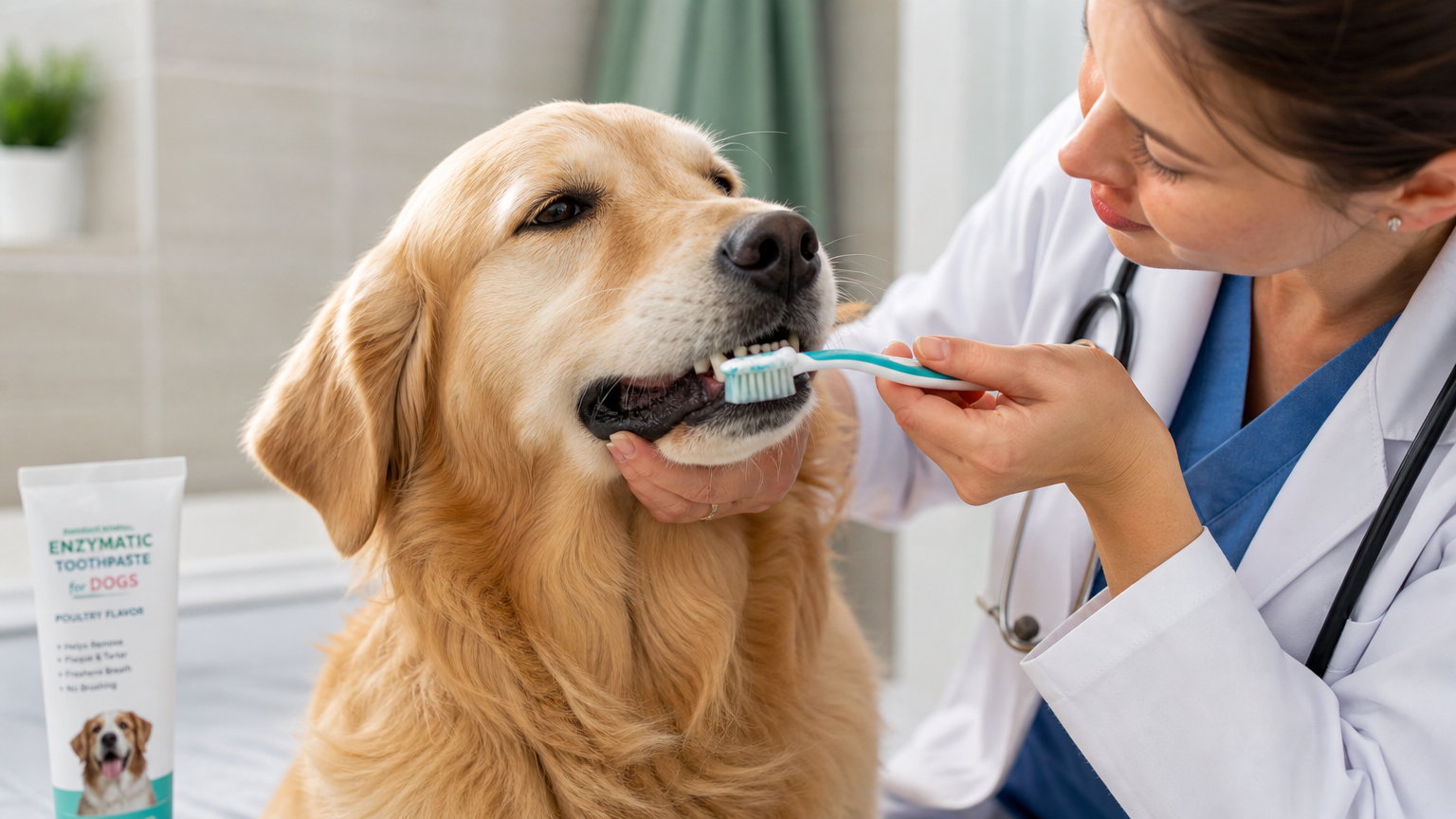
🟡 Step-by-Step: How to Brush Your Dog’s TeethBrushing is the gold standard of at-home dental care. Nothing removes plaque more effectively.
What You’ll Need
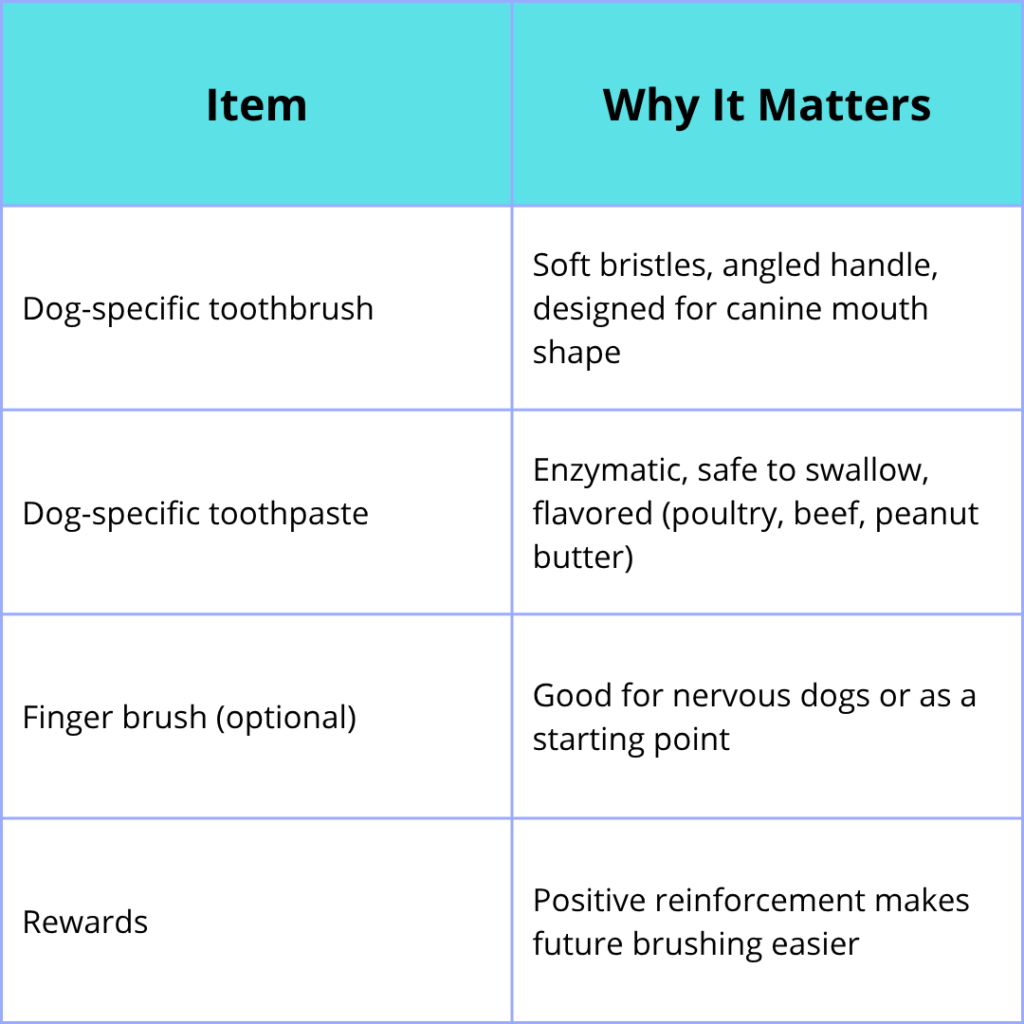
⚠️ Never use human toothpaste. It contains xylitol (toxic to dogs) and foaming agents that dogs can’t spit out.
The Brushing Technique
Step 1: Get your dog comfortable Let your dog taste the toothpaste from your finger first. Choose a flavor they enjoy — most dogs love poultry or peanut butter flavors.
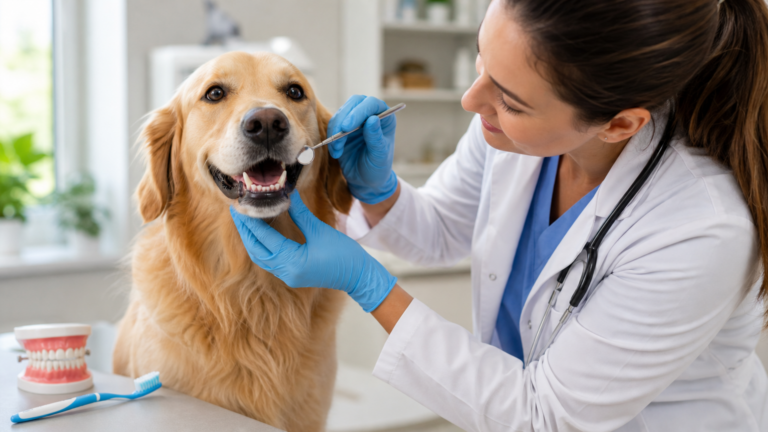
Step 2: Start with your finger Lift your dog’s lip gently and rub your finger along the gum line. Do this for a few days before introducing the brush.
Step 3: Introduce the toothbrush Apply a small amount of enzymatic toothpaste. Lift the lip and brush in circular motions at a 45-degree angle toward the gum line.
Step 4: Focus on the outside surfaces Dogs don’t need their inner tooth surfaces brushed — their tongue keeps those clean naturally. Focus on the outer surfaces of the upper and lower teeth, especially the back molars where tartar builds up fastest.
Step 5: Aim for 30 seconds per side You don’t need to brush for minutes. 30 seconds per side (upper and lower) is sufficient for maintenance.
Step 6: Reward generously End every session with praise, a treat, or play. Your dog should associate brushing with something positive.
How often? Ideally daily. Even 3–4 times per week makes a significant difference compared to not brushing at all.
🔴 Alternative and Complementary Dental Care Products
If your dog absolutely refuses brushing, or you want to add extra protection, these alternatives can help:
1. Dental Chews and Treats
Look for products with the VOHC (Veterinary Oral Health Council) Seal of Acceptance. This seal means the product has been clinically proven to reduce plaque or tartar.
What to look for:
- Flexible texture that “digs into” teeth (not hard enough to break teeth)
- Appropriate size for your dog (too small = choking hazard)
- Enzymatic ingredients that help break down plaque
2. Water Additives
These are liquid solutions added to your dog’s drinking water that help reduce plaque and freshen breath.
Pros: Easy to use, no handling required Cons: Less effective than brushing; some dogs dislike the taste
3. Dental Wipes and Finger Wipes
Pre-moistened wipes that you rub along the gum line. A good option for dogs that tolerate handling but not a brush.
Best for: Small dogs, dogs with sensitive mouths, or as a transition to brushing
4. Dental Sprays and Gels
Applied directly to the teeth and gums. Some contain enzymes that help break down plaque.
Best for: Dogs that won’t tolerate any form of brushing or wiping
5. Dental Diets
Prescription dental diets (like Hill’s t/d or Royal Canin Dental) use specially designed kibble texture to mechanically clean teeth as the dog chews.
Best for: Dogs already on a kibble diet; excellent maintenance option
🟠 How Effective Are These Alternatives?
Here’s an honest comparison from a veterinary perspective:
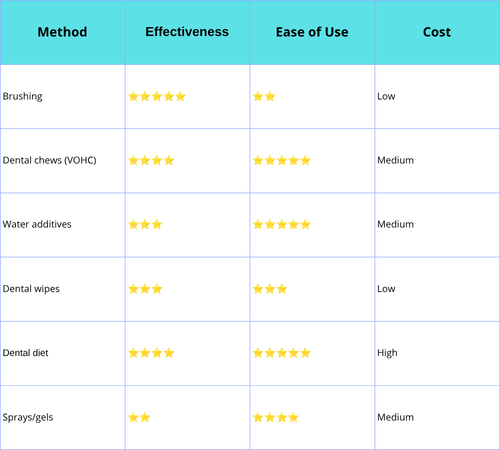
👉 My recommendation as a veterinarian: Brush when you can, and use a VOHC-accepted dental chew on days you can’t. The combination of mechanical and enzymatic cleaning is the most effective home care protocol.
🟡 When to See Your Veterinarian for a Professional Cleaning
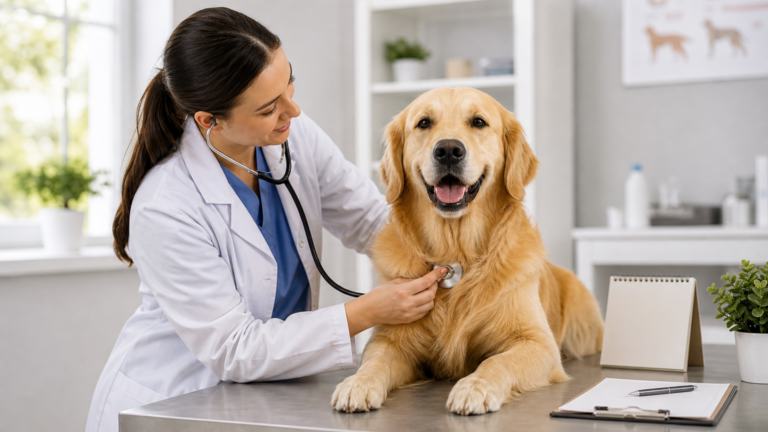
No matter how well you brush at home, most dogs will eventually need a professional dental cleaning under anesthesia.
Signs Your Dog Needs a Dental Checkup
- Persistent bad breath that doesn’t improve with brushing
- Visible yellow or brown tartar buildup
- Red, swollen, or bleeding gums
- Difficulty eating or dropping food
- Pawing at the mouth
- Loose or missing teeth
- Excessive drooling
What Happens During a Professional Dental Cleaning
- Pre-anesthetic exam — Blood work to ensure your dog is healthy enough for anesthesia
- Scaling — Ultrasonic scaling above and below the gum line
- Polishing — Smooths tooth surfaces to slow plaque reattachment
- Oral exam — Full dental charting, probing for pockets, checking for loose or fractured teeth
- X-rays — Detect problems below the gum line (where 60% of dental disease hides)
- Extractions if needed — Diseased teeth are removed to prevent pain and infection
How often? Most dogs need a professional cleaning every 1–2 years, depending on breed, size, and home care routine. Small breeds often need more frequent cleanings.
🔵 Breed-Specific Dental Considerations
As a veterinarian, I want you to know that not all dogs have the same dental risks:

👉 If you have a small breed dog, start dental care early and be more vigilant. They often need professional cleanings annually.
❓ Frequently Asked Questions
Is it too late to start brushing my senior dog’s teeth? No. While advanced dental disease may already be present, starting a gentle brushing routine can slow further progression. Have your veterinarian assess their mouth first — painful teeth may need treatment before brushing is comfortable.
Can I use coconut oil to clean my dog’s teeth? Coconut oil has mild antibacterial properties and some dogs enjoy the taste, but it is not a substitute for enzymatic toothpaste or mechanical brushing. It can be used as a supplement, not a replacement.
Do bones clean dogs’ teeth? No. In fact, real bones and antlers are a leading cause of broken teeth in dogs. They are too hard and can fracture teeth. Stick to VOHC-accepted dental chews instead.
My dog’s breath smells like fish. Is that normal? No. Fishy or unusually foul breath often indicates dental disease, an oral infection, or even a foreign object stuck in the mouth. Schedule a veterinary checkup.
How do I brush a dog that hates it? Start with finger wiping and flavored toothpaste. Go slowly — one tooth per session if needed. Use high-value rewards. Some dogs need weeks of gradual desensitization. If your dog shows aggression or extreme fear, consult a veterinary behaviorist.
Final Thoughts
As a veterinarian, I tell every client the same thing: dental care is not optional. It’s as essential as vaccinations, parasite prevention, and proper nutrition. The mouth is the gateway to the body, and dental disease affects far more than just your dog’s breath.
Start small. Pick one method — even a dental wipe or a VOHC-accepted chew — and do it consistently. Build from there. Your dog’s heart, kidneys, and overall health will thank you.