
Is Your Dog Scratching a Lot? 7 New Treatments That Actually Work
You’ve lost count of how many times you’ve seen your dog scratching a lot, biting his paws, and rubbing against the floor. It happens every single day — and with it comes the frustration of not knowing what to do. Itchy skin in dogs is one of the most common reasons for vet visits, and the good news is that veterinary medicine has never had so many effective options as it does now.
In recent years, treatments have arrived that attack the root cause of itching, with results in hours — not weeks. In this article, you’ll discover the 7 new treatments that actually work and understand which one may be the right path for your dog.
Why Is My Dog Scratching So Much?
Before talking about treatment, we need to answer the question every owner asks: why is my dog scratching so much? In most cases, the answer comes down to one of three causes:
- Allergic dermatitis — allergy to flea bites, food, or environmental allergens (dust mites, pollen, mold)
- Atopic dermatitis — a chronic inflammatory skin disease, genetic in origin, that makes the dog itch nonstop
- Secondary infections — fungi and bacteria that take advantage of skin damaged by scratching
The key detail: scratching is just the visible symptom. Behind it lies an inflammatory process involving the immune system — and that’s exactly where the new treatments act.
If food allergies are behind your dog’s itching, a protein he hasn’t been exposed to can make a real difference. Natural dog food made with real lamb is a great option for dogs sensitive to common proteins like beef and chicken — with probiotics to support gut health.
Dog Scratching a Lot: When Itching Demands Attention
Not every itch is an emergency, but a dog scratching a lot for more than a few days deserves a vet evaluation. Watch for these signs:
- Intense itching that disrupts sleep and appetite
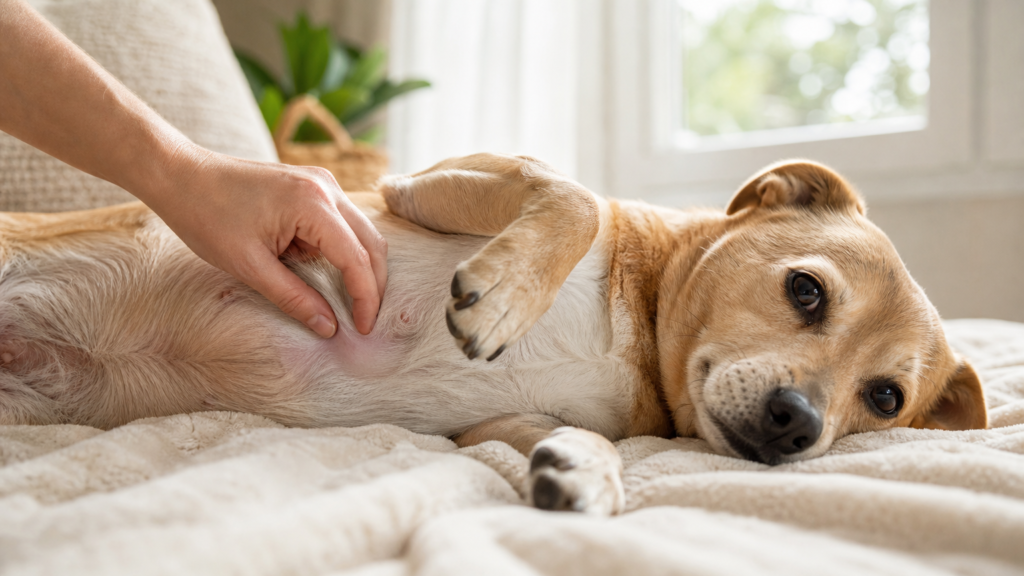
- Sores, redness, scabs, or hair loss
- A strong odor from the skin or ears
- Obsessive paw licking
- Itching that doesn’t improve with baths or home remedies
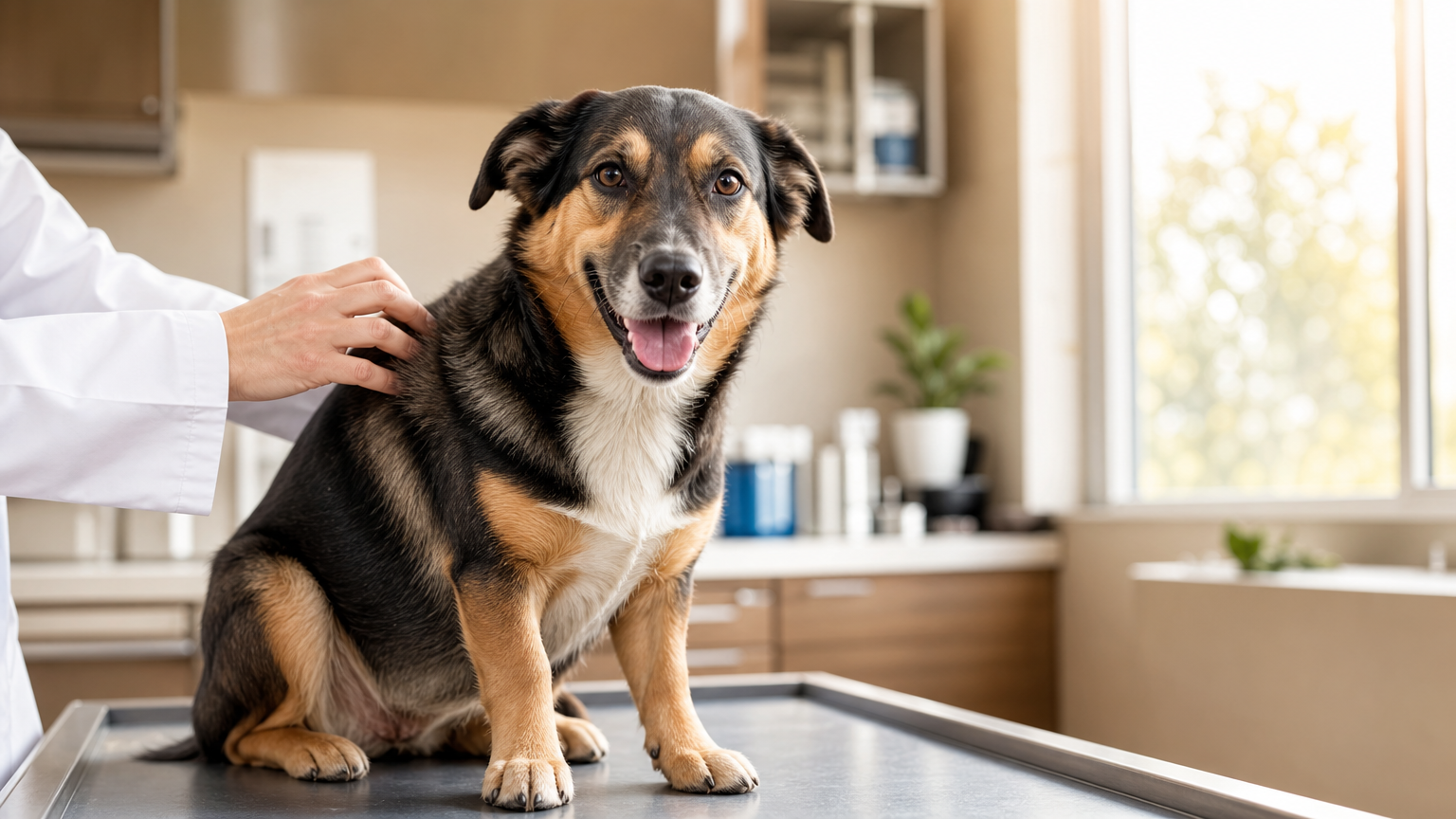
The sooner the diagnosis, the faster the relief — and the lower the risk of secondary infections. Your vet will identify the cause and recommend the most appropriate dog itching treatment for your pet’s profile.
And since diagnosis and treatment can bring unexpected costs, Odie’s Illness & Injury plan helps cover accidents and illnesses — so you can focus on your dog’s recovery, not the vet bills.
See, you might also enjoy reading: Separation Anxiety in Dogs: A Practical 7-Step Plan
New Treatments for Dog Itching: What Has Changed
Veterinary dermatology has undergone a quiet revolution. Where treatment once meant corticosteroids with side effects, today there are next-generation drugs that block itching at the source, safely and quickly. Meet the 7 new treatments that actually work:
1. Zenrelia (ilunocitinib) — The Newest in the Family
Approved by the FDA in September 2024 and in the European Union in July 2025, Zenrelia is a next-generation JAK inhibitor, given once daily, orally, for dogs 12 months and older. In clinical studies with 338 dogs, it controlled itching as well as (or better than) the reference treatment — and it’s the newest option for a dog scratching a lot due to allergies.
2. Apoquel (oclacitinib) — The Classic That Works in Hours
The first JAK inhibitor in veterinary medicine (2013) remains one of the most widely used. Its big advantage is speed: itch relief can begin in about 4 hours, with visible improvement in under 48 hours. It’s an excellent option for acute episodes of dog itching.
3. Cytopoint (lokivetmab) — The Injection That Lasts Weeks
Unlike tablets, Cytopoint is an injectable monoclonal antibody that neutralizes the protein responsible for the itch signal. A single dose can control itching for 4 to 8 weeks, without stressing the liver — ideal for dogs needing continuous treatment.
4. Combination Therapy (COLT)
When a single drug isn’t enough, science has a new answer: combining oclacitinib and lokivetmab. A 2025 retrospective study of 44 dogs that failed monotherapy showed that combination therapy controlled itching in a significant share of cases — a real alternative for the toughest cases.
5. Allergen-Specific Immunotherapy
The “allergy vaccine” keeps evolving. It exposes the dog to gradually increasing doses of the allergen to teach the immune system to tolerate it. It’s the closest thing to treating the root cause, with lasting effects — though it requires patience: results come in months, not days.
6. Next-Generation Topical Treatments
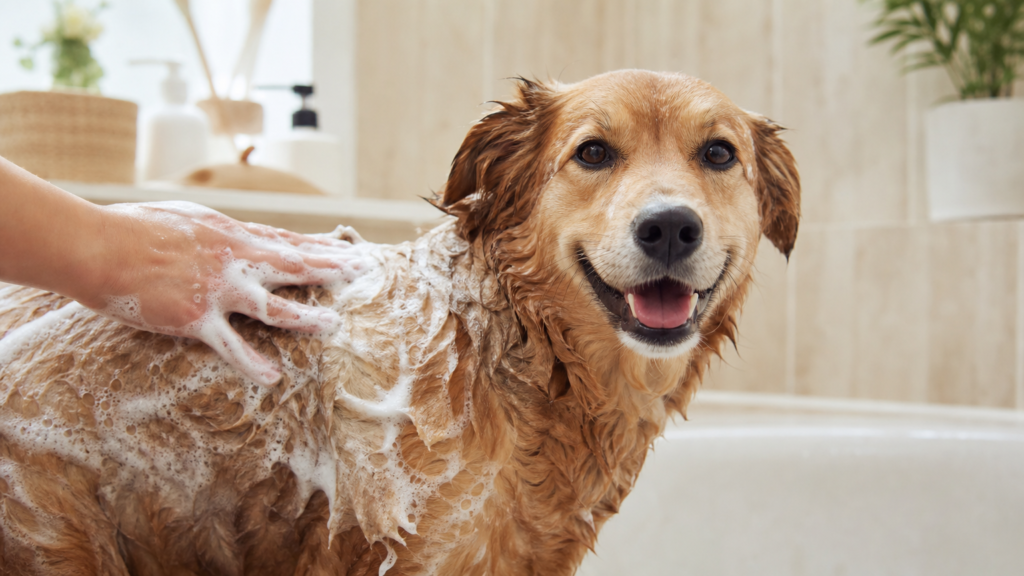
Shampoos, foams, and moisturizers with ceramides, phytosphingosine, and soothing agents help restore the skin barrier, reducing allergen penetration. They don’t replace systemic treatment, but they’re great allies — especially as maintenance between flare-ups.
7. Integrated Management: Diet + Environmental Control
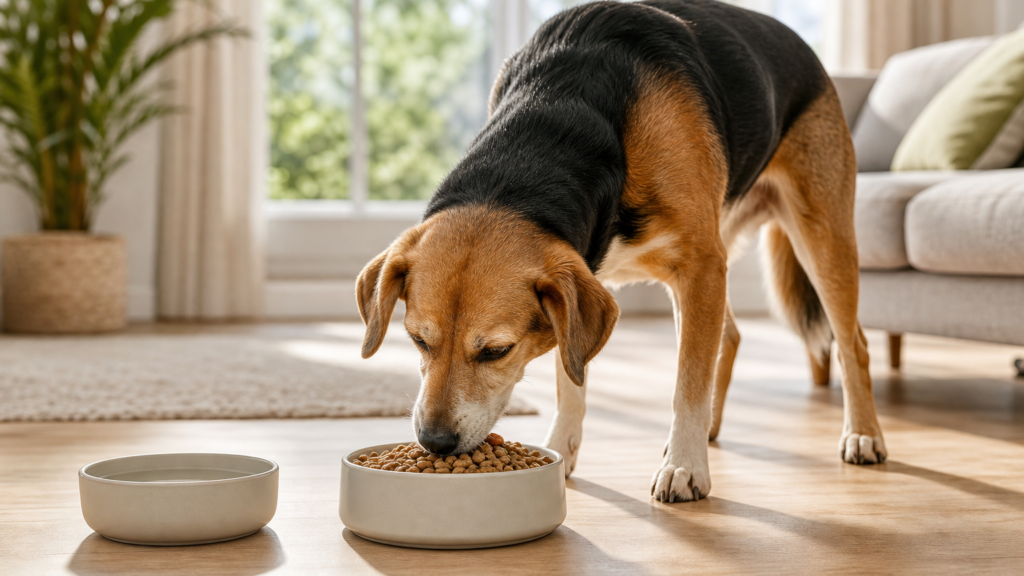
Modern treatment is multimodal: a hypoallergenic or omega-3-rich diet, strict flea control, frequent vacuuming, and environmental humidification. Combined with medication, integrated management reduces the frequency of flare-ups and the drug dose needed.
For dogs whose skin benefits from omega-3s, dry dog food made with real salmon supports healthy skin and a shiny coat — cold-pressed and more digestible than regular kibble.
How to Choose the Right Dog Itching Treatment
There’s no universal “best treatment” — there’s the right treatment for your dog. The choice depends on:
- The cause of the itching (fleas, food, environment)
- The dog’s age and overall health
- Flare-up frequency (occasional or continuous)
- Ease of administration (daily tablet vs. monthly injection)
- Budget — some new treatments cost more
The vet’s role is essential: only a veterinarian can diagnose the cause and prescribe safely. Never medicate your dog on your own — JAK inhibitors, for example, are immunosuppressants that require monitoring.
See, you might also enjoy reading: GPS Tracker or AirTag: Which One Saves Your Dog When It Runs Away?
Practical Tips to Relieve Itching at Home
While the treatment takes effect, a few habits help:
- Baths with a sensitive-skin shampoo, in lukewarm water (never hot).
- Strict flea control for all pets in the house, year-round.
- Vacuum frequently and wash the dog’s bed weekly.
- Avoid sudden food changes without veterinary guidance.
- Use an Elizabethan collar if the dog is injuring his skin — better to prevent than to treat an infection.
Conclusion: A Dog Scratching a Lot Has a Solution — and It’s New
If your dog is scratching a lot, know that you’re not alone — and that veterinary dermatology has advanced enormously in recent years. From Zenrelia, with its once-daily promise, to Cytopoint, which protects for weeks with a single injection, the new treatments for dog itching restore quality of life for dogs and owners alike.
The first step is simple: schedule a vet appointment and bring the itching history — when it started, where the dog scratches most, what has already been tried. With the right diagnosis, modern and effective dog itching treatment is within reach.
And for the routine side of care — regular check-ups and prevention — Odie’s Wellness Plan reimburses the routine care items your pet needs to thrive.
Don’t let your dog suffer in silence. Book the appointment today and find out which of the 7 new treatments is right for him.



[…] See, you might also enjoy reading: Is Your Dog Scratching a Lot? 7 New Treatments That Actually Work […]
[…] See, you might also enjoy reading: Is Your Dog Scratching a Lot? 7 New Treatments That Actually Work […]